Last updated November 22, 2026
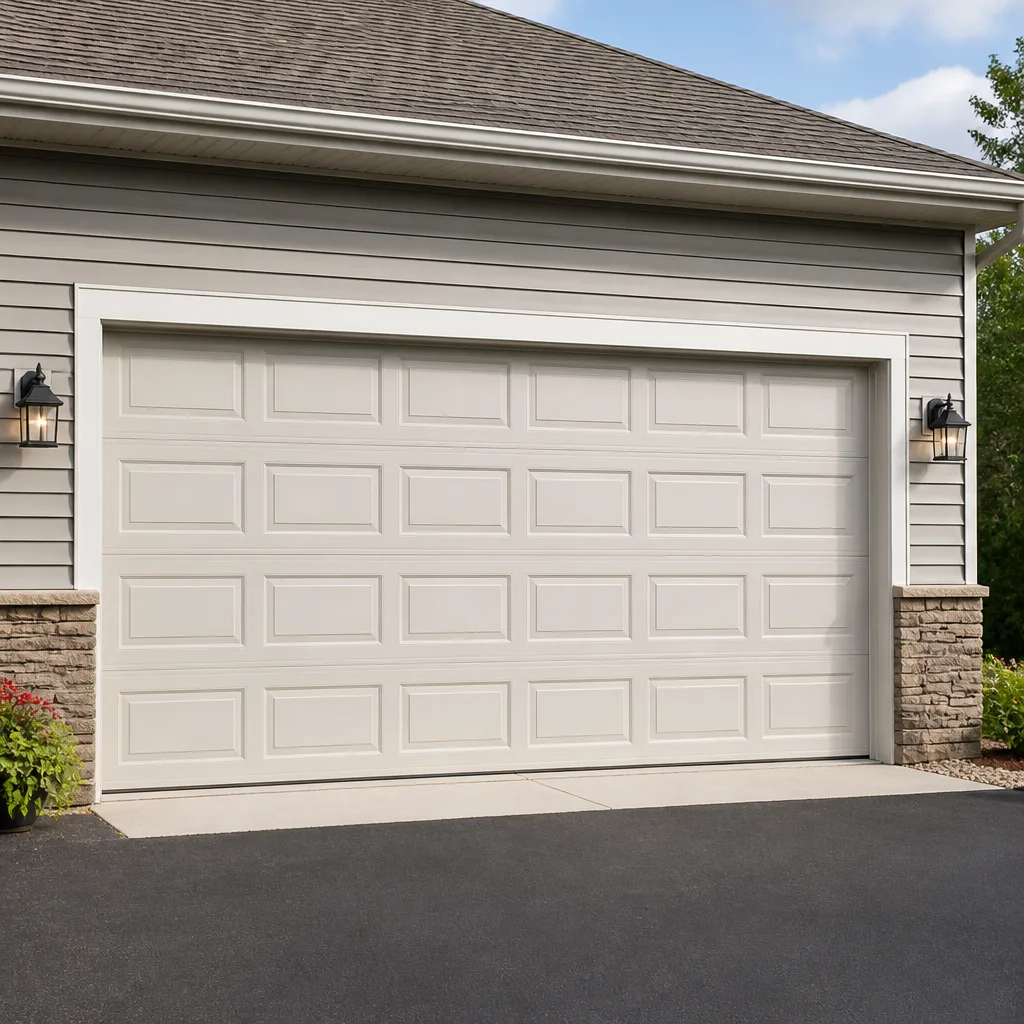 Raised-panel steel
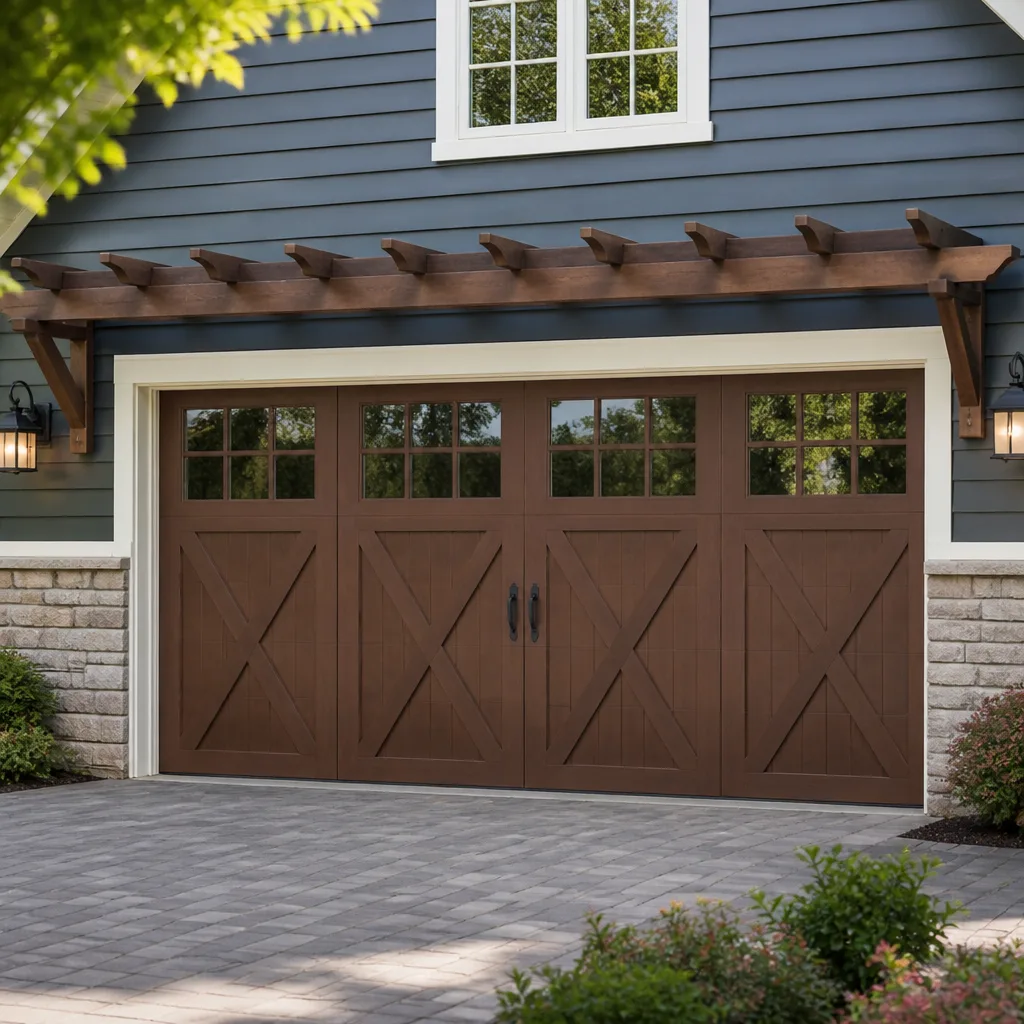 Carriage house
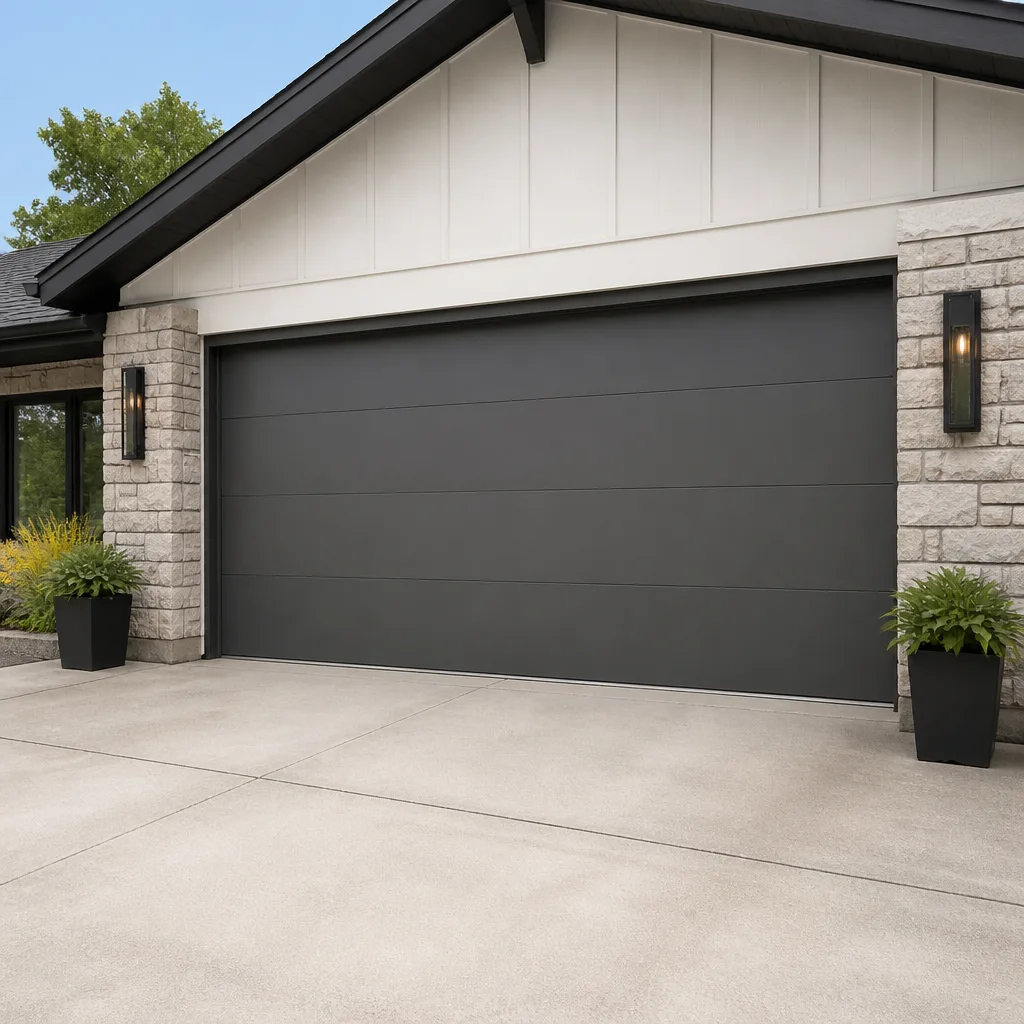 Modern flush
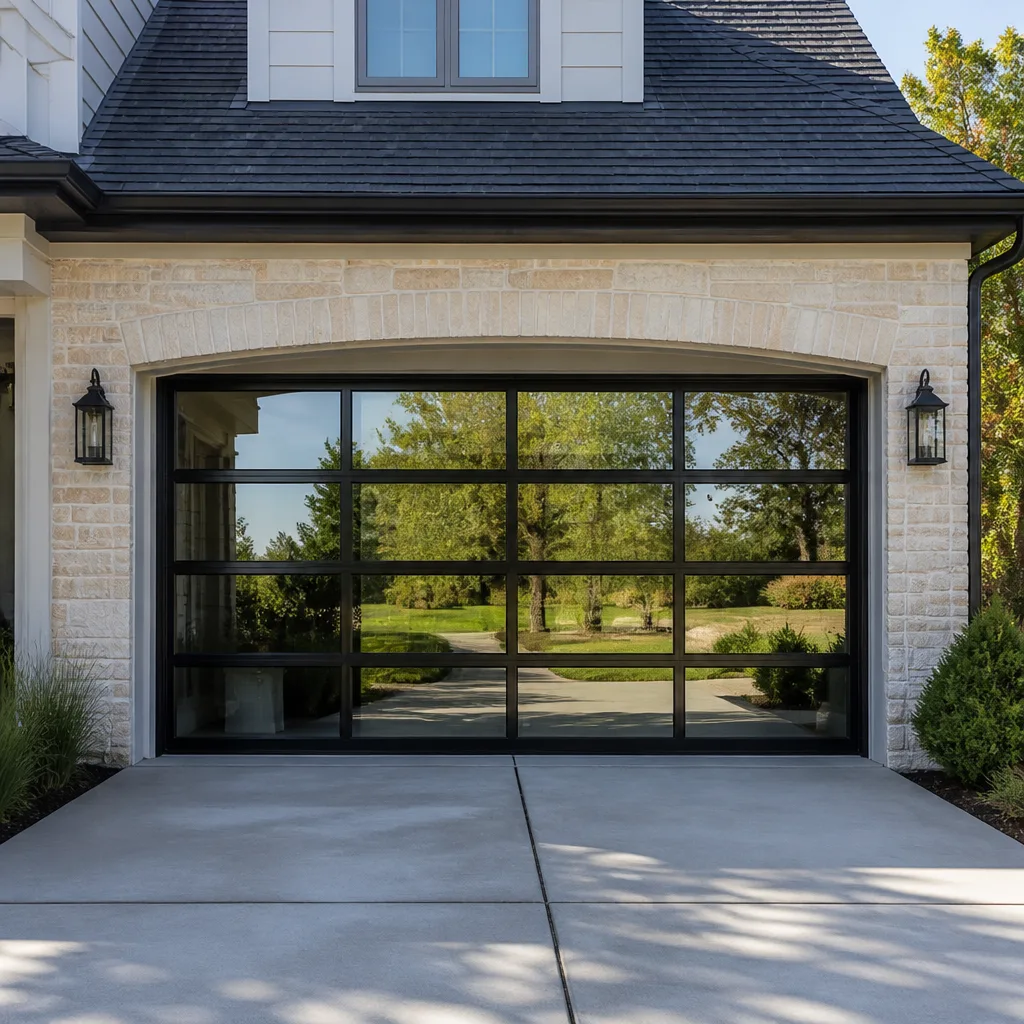 Full-view glass
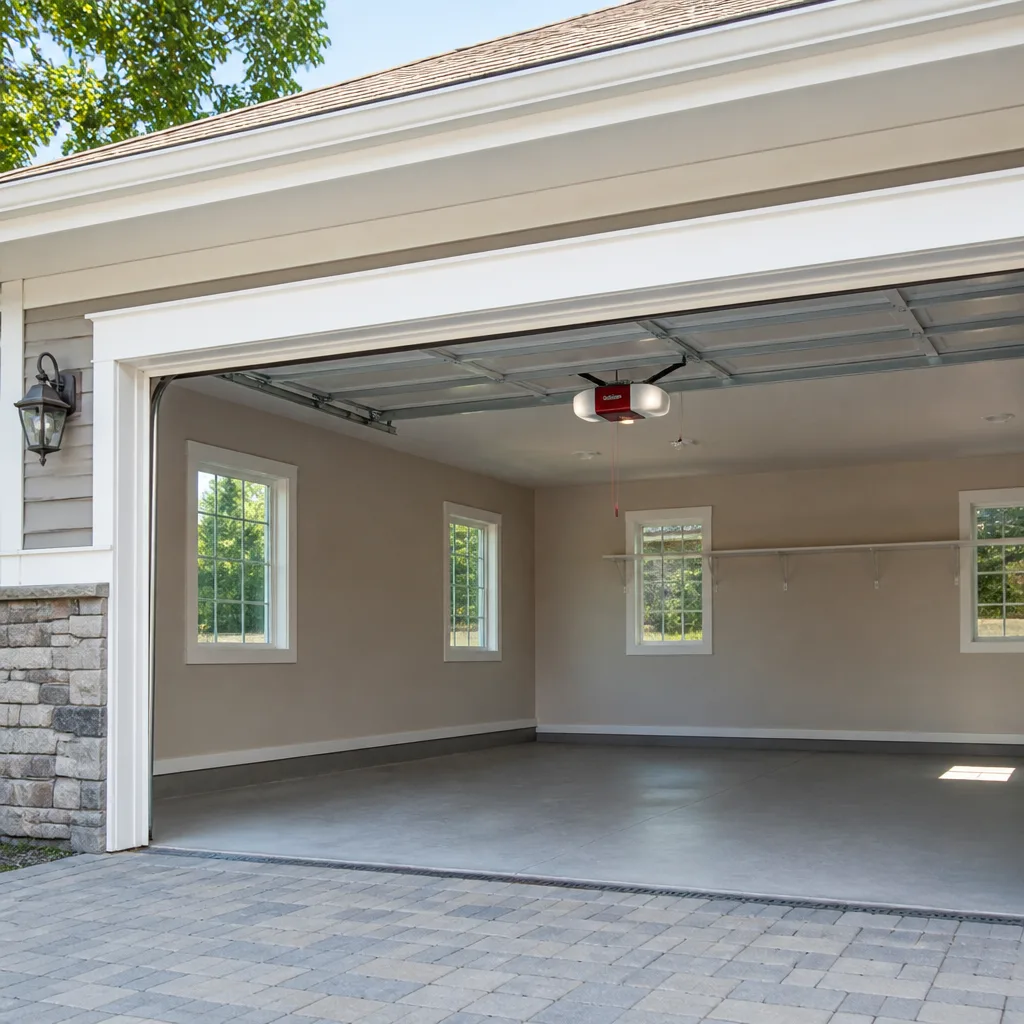 LiftMaster openers
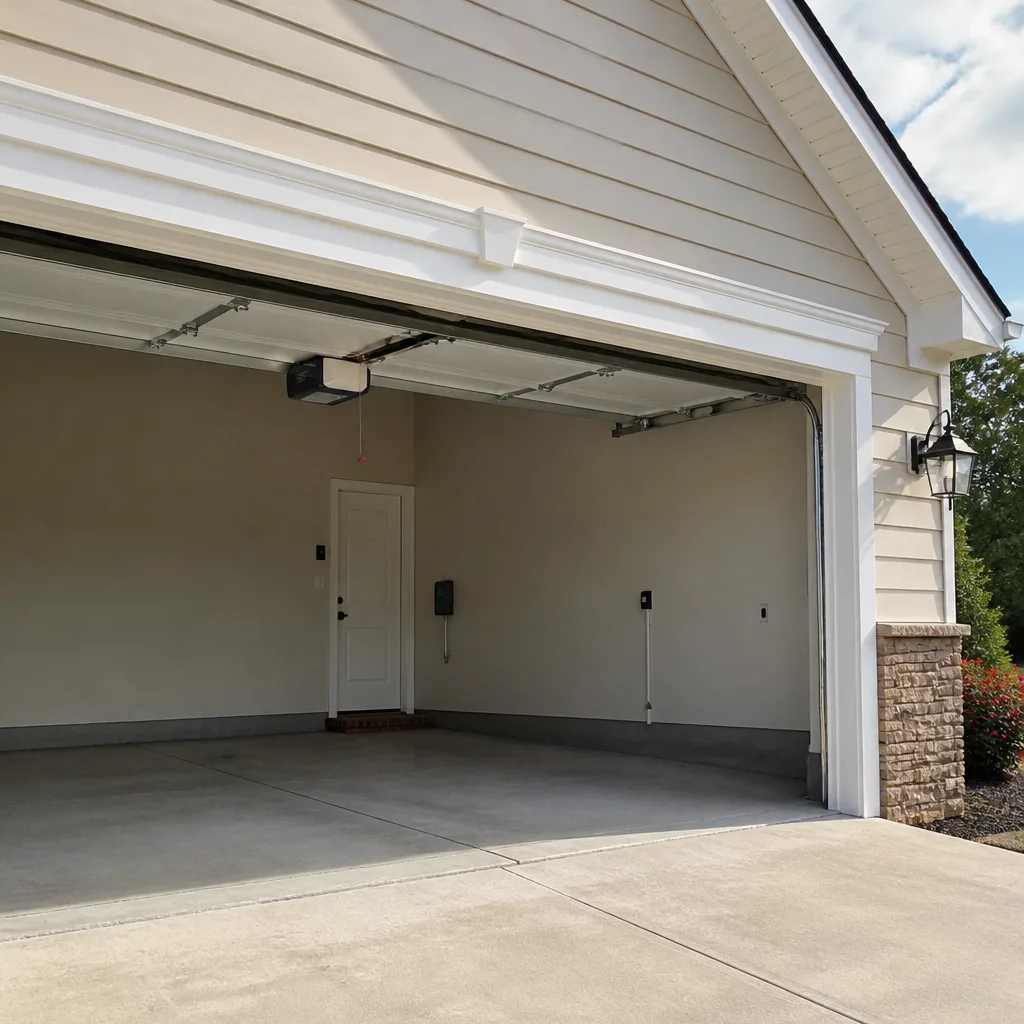 Chamberlain openers
Full 25-point door and opener safety check with every visit - springs, cables, rollers, tracks, and your LiftMaster or Chamberlain opener included
You get a price before we start. It does not change when the pro arrives.
Get your free estimateGarage Door Warning Signs: A New Rochelle Homeowner’s Reference Guide
Most garage doors don’t fail without warning. They complain first. A grind that wasn’t there last month, a pause halfway up, a pop when the door hits the floor – these are the door telling you which part is wearing out. The common mistake is to hear the new noise, decide “that’s just how the door sounds now,” and keep pressing the button. In a New Rochelle home, where many garages sit under living space or tight against a shared driveway, that habit is how a $200 fix turns into a much bigger job. This guide decodes the signals component by component so you can describe exactly what’s wrong before anyone arrives.
Quick Answer
A garage door warns you through six distinct sounds (grinding, scraping, popping, squealing, rattling, banging), visible deformation on springs and cables, and changes in how the door travels – slowing down, going crooked, or reversing before it closes. Each signal points to a different component. A door that still opens and closes can be one cycle away from a dangerous failure, so any new noise or movement change deserves a look before you keep using the door.
Styles & brands we work with
- Raised-panel steel
- Carriage house
- Modern flush
- Full-view glass
- LiftMaster openers
- Chamberlain openers
Table of Contents
- The sound-to-component diagnostic index
- Visual warning signs on springs and cables
- What worn rollers and bent tracks look like
- Behavioral warning signs: speed, travel, and reversing
- Opener warning signs vs. door warning signs
- The “it still works” trap
- How New Rochelle seasons stress a garage door
- A simple monthly check you can do safely
What Is the Sound-to-Component Diagnostic Index?
Every noise a garage door makes traces back to a specific part under load. Listen with the door moving and your eyes closed for a second – the location of the sound tells you as much as the sound itself. Here’s how we map it.
- Grinding (metallic, from overhead): Usually a dry or failing torsion spring, or a bearing plate that’s worn. Urgent – grinding precedes spring failure.
- Scraping (from the sides): Rollers dragging in a misaligned track. Monitorable for a few days, but the track needs realignment before it bends further.
- Popping (sharp, when the door starts to move): A torsion spring winding up unevenly or a cable jumping its drum. Treat as urgent.
- Squealing (high-pitched, continuous): Metal-on-metal friction at rollers or hinges. Often the least serious – lubrication and inspection usually resolve it.
- Rattling (loose, clattering): Loose hinge bolts or a panel coming loose from its stile. Monitorable, but check it soon.
- Banging (heavy, when the door lands): The door is hitting the floor too hard – usually an opener limit switch set wrong or a broken spring that’s no longer cushioning the descent.
The rule we give homeowners: if the sound is new within the last month, treat it as urgent. If it’s been there a while and hasn’t changed, it’s monitorable – but get it looked at during your next regular service. For torsion and extension spring work in New Rochelle, the stakes are high enough that we recommend leaving it to a trained technician; spring failure is a safety issue, not just an inconvenience.
What Do Failing Springs and Cables Look Like?
Springs and cables carry the entire weight of the door. When they start to fail, they show it visually before they break – if you know what to look for. Do all visual inspections with the door closed and the opener unplugged, and never put your hands near the springs or cables themselves.
On torsion springs (the horizontal coil above the door), look for:
- A visible gap of an inch or more in the coil when the door is closed
- Rust-colored streaks or a shiny, worn section in one spot on the coil
- The coil sagging or bowing away from the shaft
- Sharp, bright scratches near the winding cones
On extension springs (the springs running along the side tracks), look for:
- Stretched sections that no longer coil evenly
- A spring that’s noticeably longer on one side than the other
- Missing or dangling safety cables running through the spring
- Visible gaps between the coils when the door is down
On cables, look for fraying (the tell is a fuzzy, “hairy” section near the drum), kinks, or a cable that’s jumped out of its groove. Any of these on a New Rochelle door means the assembly needs attention now. Spring work on a door this heavy isn’t something we recommend attempting at home.
What Do Worn Rollers and Bent Tracks Look Like?
Rollers and tracks are the door’s running gear, and they wear slowly enough that homeowners often miss it. Here’s a numbered check you can run on a closed door.
- Look at the rollers. A healthy nylon roller is smooth and round. A worn one is flattened on one side, has a visible flat spot, or the steel ones show rust and pitting.
- Check the track by sight and hand pressure. Stand at eye level and look down the track like you’d sight a pool cue. Any kink, dent, or bow in the channel is a problem.
- Look at the hinges. Loose hinge bolts, or hinges that wobble when you nudge them, cause rattling and premature roller wear.
- Check the bottom seal. A rubber seal that’s cracked, torn, or hanging loose lets in water and debris – a real issue in New Rochelle’s wet spring months.
- Inspect the panel joints. Loose panels creak and rattle, and a panel that’s pulling away from its stile needs to be re-secured before it warps.
Rollers and tracks are the cheapest warning signs to address, and ignoring them is how you end up replacing a door that was structurally fine. If your visual inspection turns up flattened rollers or a bent track, that’s a straightforward garage door repair job rather than a replacement.
What Do Speed, Travel, and Reversing Tell You?
Behavioral signs are the ones homeowners notice but can’t explain. The door does something odd, and they assume it’s a quirk. Each behavior has a mechanical cause.
- The door slows down on the way up. Almost always a failing torsion spring – the spring is no longer lifting its share of the weight, so the opener motor fights gravity alone.
- The door travels unevenly, higher on one side. A stretched or broken extension spring on one side, or a cable that’s slipped a drum. Left alone, this warps the panels.
- The door reverses before it reaches the floor. Either the safety sensors are blocked or misaligned, or the opener’s travel limit is set too high. Reposition the sensors before assuming a mechanical fault.
- The door stops partway up and comes back down. A binding track or a worn opener gear. Both are diagnosable from the behavior alone.
- The door won’t close on the remote but works from the wall button. A bad safety sensor or a dead remote battery, not a door problem at all.
Speed changes are the single most reliable early warning a door gives. A door that gets slower over two or three months is almost always telling you the springs are losing tension. On an Amarr or Clopay door with heavy insulated panels, that descent happens faster than on a light single-panel. If the door’s slowing, get it looked at before the spring gives out entirely – that’s the call that turns an emergency into a scheduled repair.
What’s the Difference Between Opener Problems and Door Problems?
This is where homeowners waste the most money – replacing an opener when the door was the culprit, or vice versa. The two communicate differently. Learn to tell them apart.
Signs the door is the problem:
- Grinding or scraping sounds that come from the door frame, not the ceiling unit
- The door is visibly crooked or slow to rise
- The door sticks at the same point every cycle regardless of which control you use
- Manual release makes the door heavy to lift or slow to close
Signs the opener is the problem:
- The motor runs but the door doesn’t move (broken drive gear or stripped trolley)
- Clicking from the ceiling unit but no movement
- The remote works intermittently but the wall button always works
- Lights flash a specific code, or the unit beeps without moving
If the opener motor runs smoothly and the door still misbehaves, the fault is almost always in the door’s mechanicals – springs, cables, rollers, or tracks. If the motor strains or clicks with no door movement, it’s the opener. Our garage door opener repair team works on LiftMaster, Chamberlain, Genie, Craftsman and Raynor systems routinely, so we can call it either way once we hear the door cycle. Misdiagnosing one for the other is the most common way homeowners spend on the wrong fix.
Why Is “It Still Works” the Most Dangerous Assumption?
A garage door that opens and closes is not a garage door that’s safe. The parts that fail catastrophically are usually the ones carrying the most load, and they often give no gradual warning – they simply snap at an inconvenient moment. The door isn’t “working” because it was designed well. It’s working because the springs haven’t failed yet.
Here’s the reality of cycle counts. Every open and close is one cycle. Springs are rated for a set number of cycles, and a household that opens the door six times a day burns through that rating quickly. The door doesn’t display a rating on its face – you can’t know how many cycles a spring has left just by looking. You can only spot the visual deformation and the behavior changes that indicate it’s degrading. That’s why a door with even one of the warning signs in this guide deserves a professional inspection before the next cycle.
For a New Rochelle homeowner, this matters more in winter. Cold drops metal temperatures, springs get brittle, and the failure rate on tired springs climbs. A door that handled the summer fine can snap a spring the first really cold morning – and the door comes crashing down. That’s why we push spring inspection in fall, not spring. Dedicated spring work is one of our core services, and on a door that’s too far gone, it’s the fastest way to prevent a dangerous failure. Spring replacement is safety work, and our garage door spring repair technicians treat it that way.
How Do New Rochelle Seasons Stress a Garage Door?
New Rochelle’s weather does the door no favors. Between the humidity in summer, the freeze-thaw cycles of winter, and the wet springs, the garage is a tough environment. Specific hazards:
- Winter freeze-thaw: Moisture that gets into hinge pins and roller bearings freezes and expands, then dries out, slowly seizing them. This is why so many New Rochelle doors grind in February.
- Salt on the road, not the air: Road salt tracks in on tires and settles on the track channels and hardware. It’s the salt your car brings, not salt air – this isn’t a coastal corrosion problem, it’s a maintenance one. Rinse the track with a damp rag a few times over winter and it’s manageable.
- Summer humidity: Wood doors absorb moisture and swell, which can cause binding against the frame. Steel doors on older homes develop condensation at the bottom seal.
- Fall leaves and debris: The bottom seal on a door in a neighborhood with mature trees collects leaf matter, which holds moisture against the rubber and accelerates cracking.
None of this is a reason to worry – it’s a reason to know your door. A door in the North End with a 20-year-old spring is under different stress than one on a quiet residential block with a newer door. Knowing the specific environment your door lives in is half the battle.
What Monthly Checks Can You Do Safely?
A once-a-month five-minute walkaround catches the vast majority of warning signs before they become failures. Do this with the door closed and the opener unplugged. Never touch the springs, cables, or brackets.
- Listen on every cycle. Stand outside the door and close your eyes for one full open-and-close. Note any new sound and where it comes from.
- Watch the door for balance. With the door closed, pull the manual release and lift it halfway. It should stay put. If it drops or rises on its own, the springs are out of balance and need service.
- Check the tracks by eye. Squint down the length of each track. Any visible kink or bend is a stop signal.
- Test the safety sensors. Wave an object across the beam while the door is closing. If it doesn’t reverse, the sensor or the opener’s safety system needs attention.
- Inspect springs and cables from a distance. From six feet away and the door closed, look for the visual signs we listed above.
- Lubricate the moving parts you can reach. Hinges, roller stems, and the opener’s rail – never the tracks themselves. A little silicone spray on hinge pins makes a real difference.
The manual-release test is the most useful of the six because it directly tests spring balance. A door that won’t hold its position is telling you the springs are near the end. For a Wayne Dalton or Raynor door, the balance check on a modern torsion system is quick – but if the springs look suspect, close the door and call. Don’t try to “help” the door open and closed manually to test it.
Common Mistakes to Avoid
- Ignoring a new sound because the door still works. A door that works today is not a door that’s safe tomorrow – the worst failures are the ones the door was warning you about for a month.
- Replacing the opener when the door is the real problem. A grinder under the ceiling unit is usually a symptom. Listen to where the sound originates before you buy a new opener.
- Oiling the tracks. Lubricant in a track collects grit and makes the door drag. Keep tracks clean and dry, and lubricate hinges and rollers instead.
- Adjusting the opener’s travel limit to mask a real problem. Turning up the force setting hides a binding door and overloads the opener. Fix the door, then recalibrate.
- Skipping the balance test. A door that doesn’t hold halfway up has failing springs. Homeowners skip this test because it feels fussy – it’s the single best indicator of pending spring failure.
- Testing springs by hand. Never touch a torsion spring or cable. They’re under enormous tension and can cause serious injury. That’s not a general handyman job.
- Waiting until winter to inspect for the first time. In New Rochelle, the fall is the right time to check the door – before the freeze sets in and the first cold morning does the damage.
See the difference
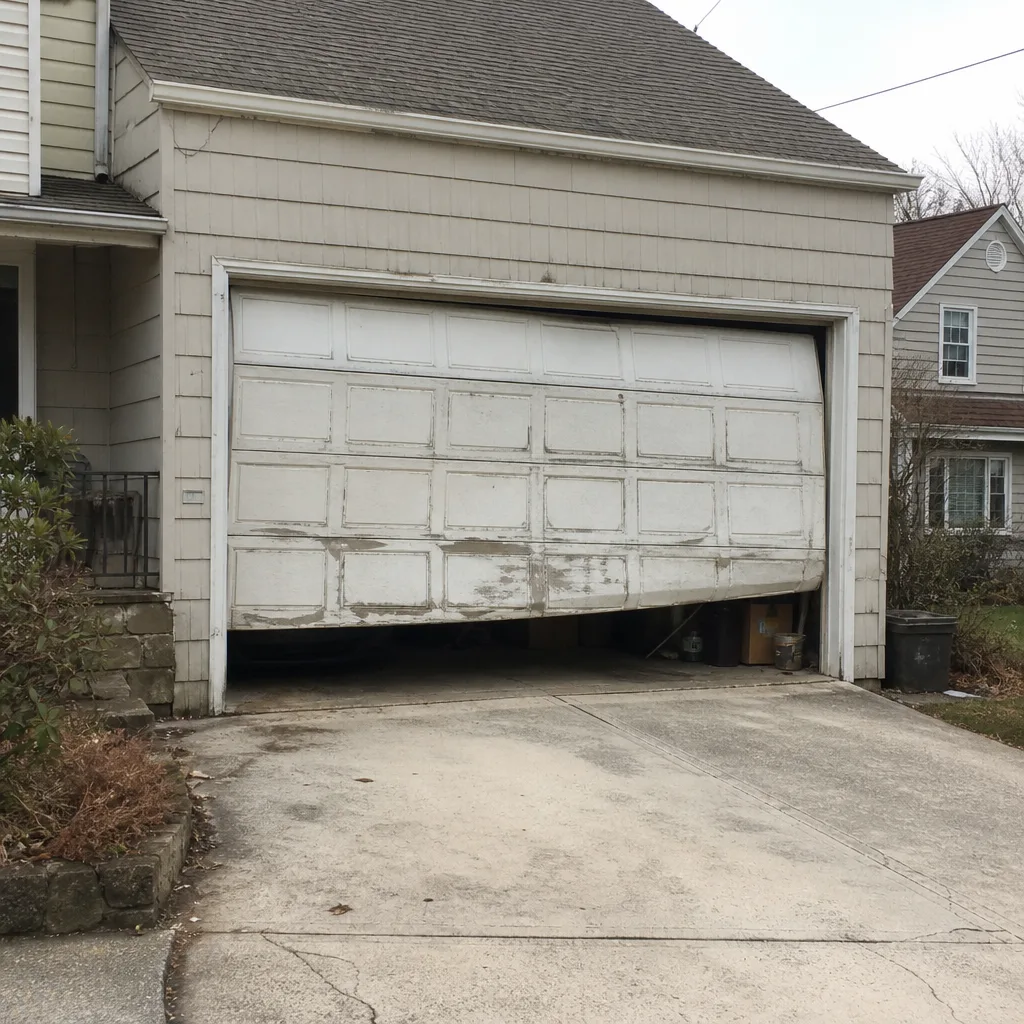 Before
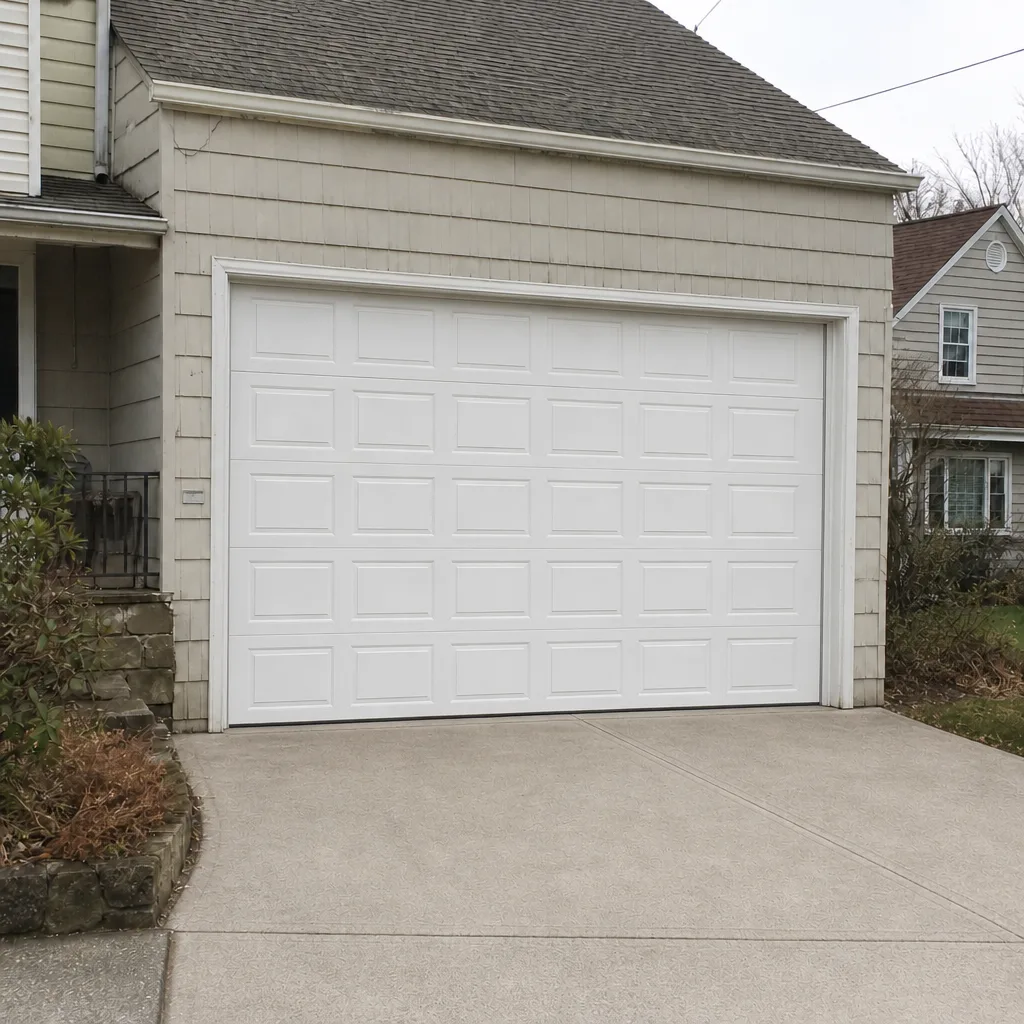 After
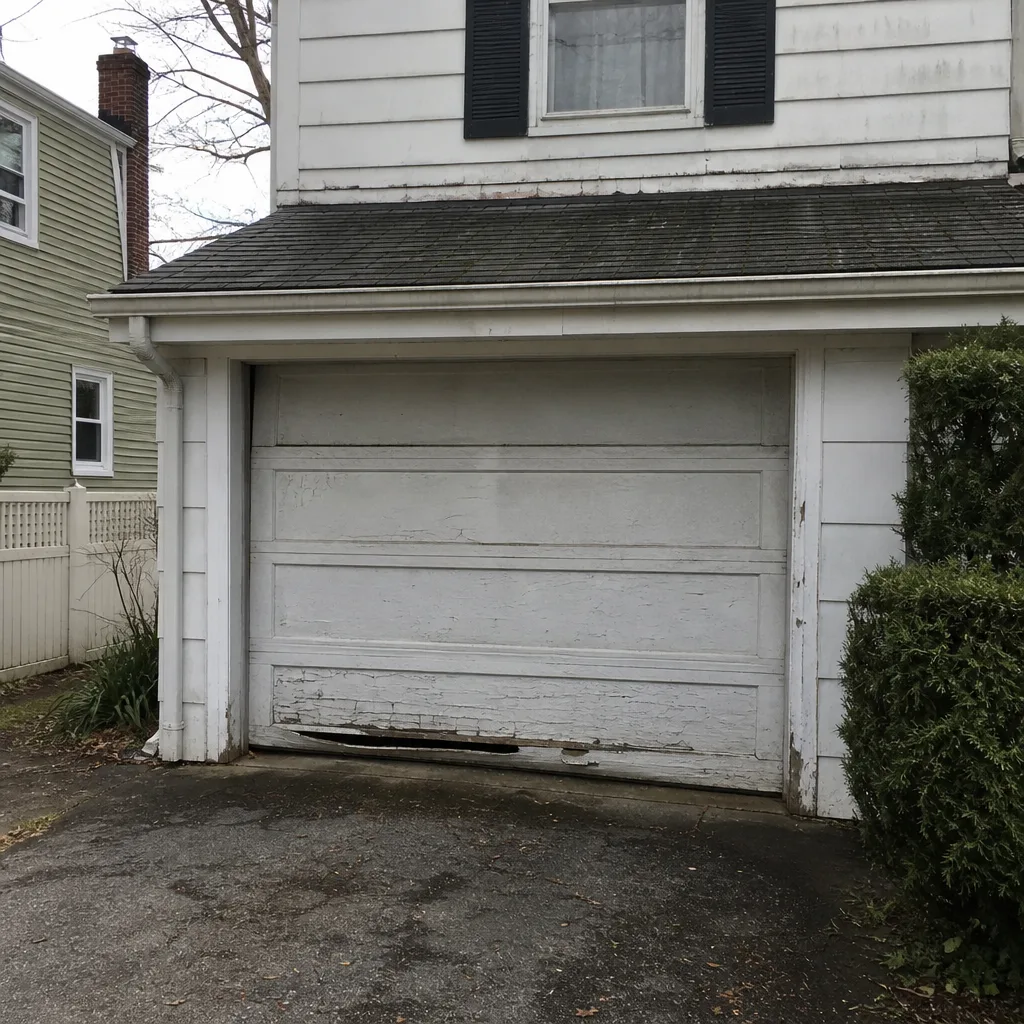 Before
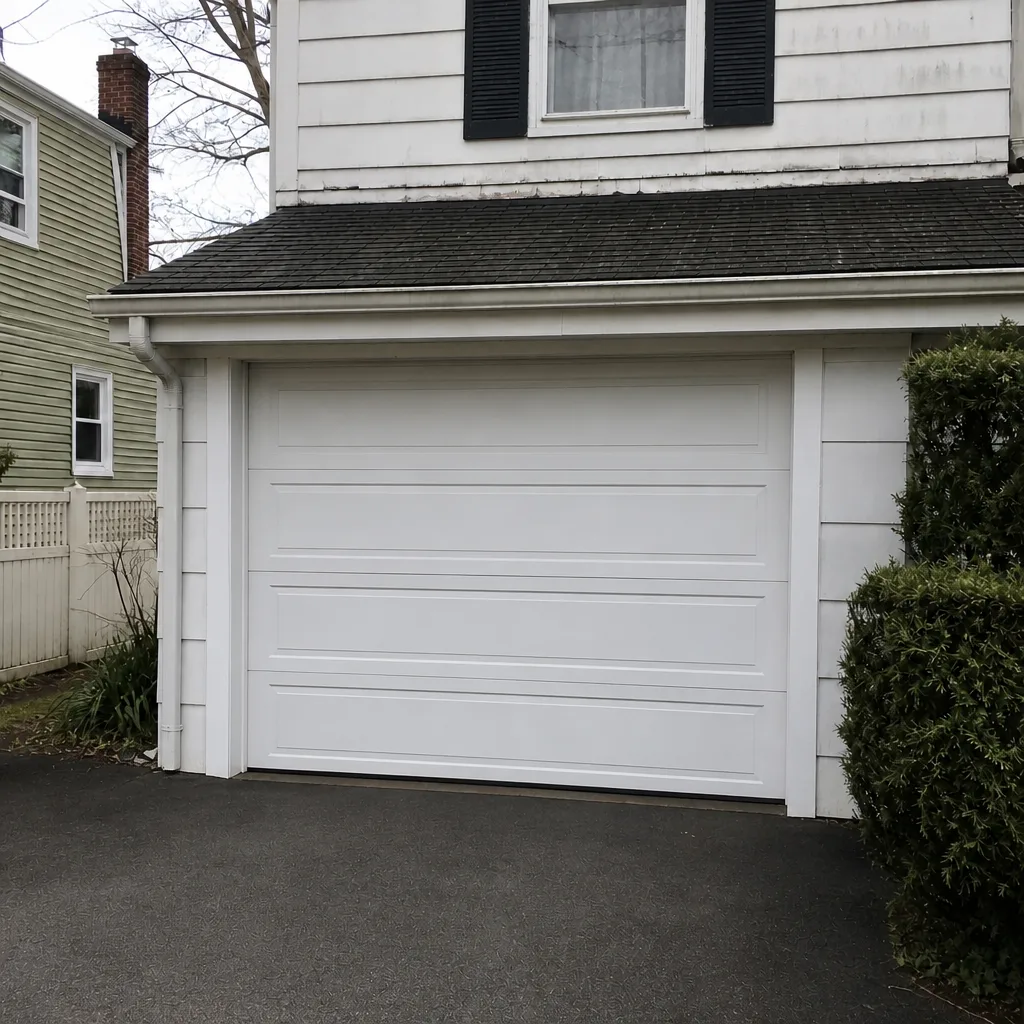 After
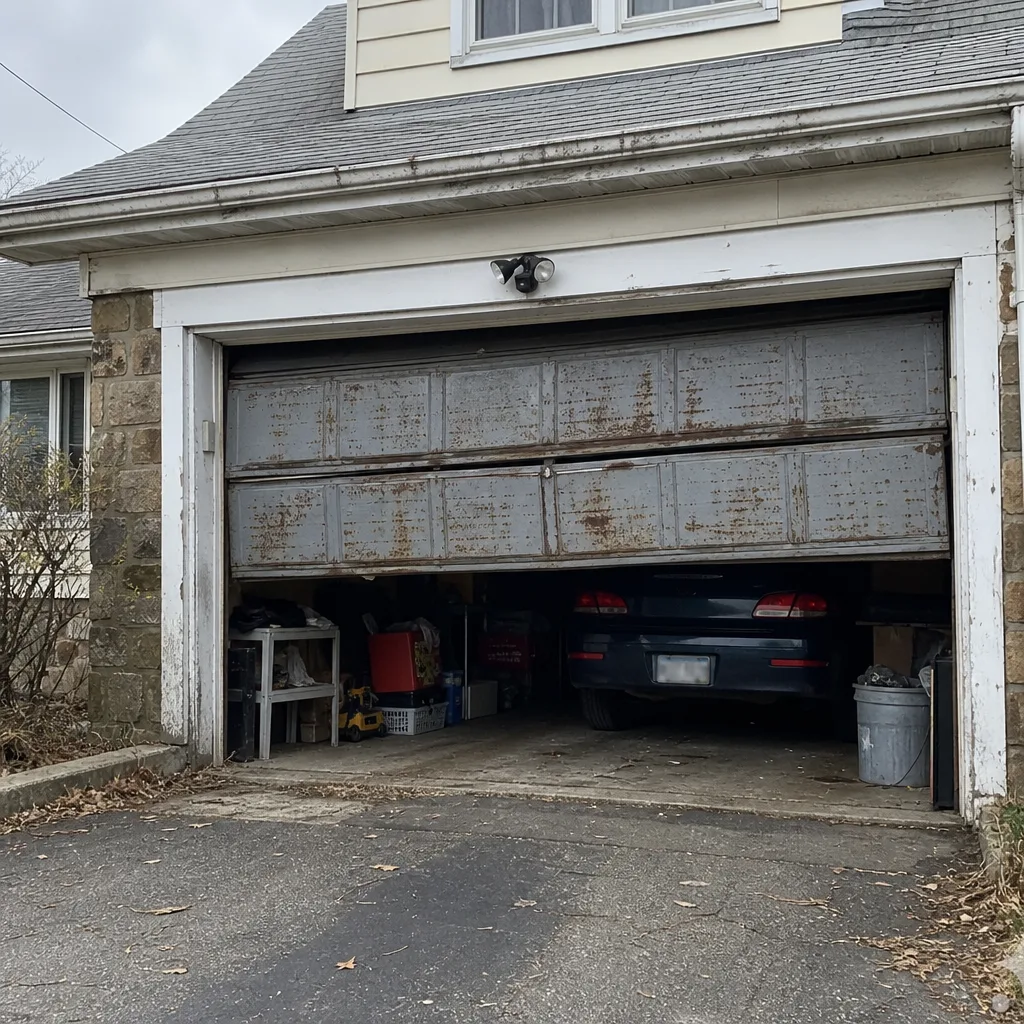 Before
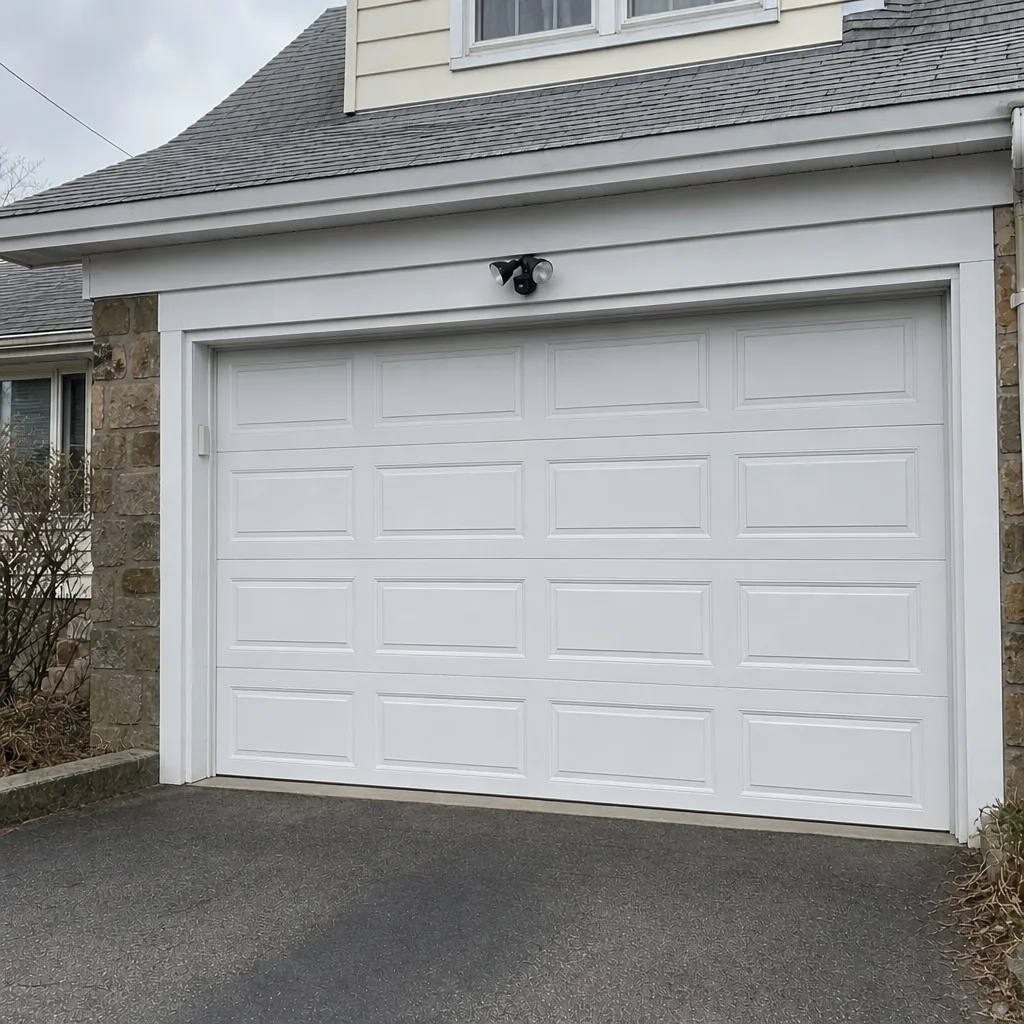 After
When Should You Call a Professional?
Call a professional when the door fails any of the balance or sensor tests, when a new sound has appeared within the last month, when the door travels unevenly, when you can see deformation on a spring or cable, or when the door won’t open or close at all. Call immediately if the door is stuck open and you can’t secure it, or if a spring has visibly broken – don’t operate the door. If you’re unsure whether a warning sign is serious, describe what you’re seeing and hearing; a trained ear can tell you in a minute or two. New Rochelle Garage Door Repair Pros offers free estimates in New Rochelle – call (877) 417-8369. Our technicians have up to 13 years of experience, and most repairs are completed in a single visit.
Frequently Asked Questions
A visible gap in a torsion spring coil, or a door that drops or rises on its own when released halfway – both mean the springs have lost tension and are close to failing. Call us at (877) 417-8369 and stop using the door until it’s inspected – estimates are free.
Yes, if the noise is new within the last month. A noisy door is not a broken door, but it is a door that’s telling you something is degrading. Get it inspected before the next cycle – estimates are free.
Slowing is almost always spring fatigue. The springs are losing strength and the opener is lifting more of the door’s weight. Have the springs inspected before the opener burns out. Call (877) 417-8369 for a free estimate.
If the motor runs smoothly but the door misbehaves, it’s a door problem, not an opener problem. If the motor clicks or strains with no door movement, it’s the opener. Either way, an accurate diagnosis saves you a wasted purchase – call us and we’ll tell you which it is.
Sometimes. Cold affects the safety sensors, and it’s often a misaligned sensor rather than a mechanical failure. If it happens after a snow or ice storm, check the sensors first – if reversing continues, that’s a real fault worth a call.
If the sign is new, don’t. If it’s been there a while and hasn’t changed, get it inspected before the next season shift. For a New Rochelle door, that means before the cold sets in.
The Bottom Line
Your garage door talks. Grinding, scraping, popping, squealing, rattling, banging – each sound traces back to a specific part, and each visual sign on springs, cables, rollers, or tracks tells you how close that part is to failure. The behavior signs are just as telling: slower travel, uneven rise, and reversing before close all point to worn mechanicals. The mistake is to wait until something breaks. Spring failure is a safety issue, not just an inconvenience, and a door that opens today can fail tomorrow. Learn the signs, run the monthly check, and call when something changes. Our New Rochelle Garage Door Repair Pros team works on every major door and opener brand a homeowner is likely to have, so we’ll recognize your system the moment we see it.
Call New Rochelle Garage Door Repair Pros at (877) 417-8369 for a free estimate. We’ll tell you what the sound is, what needs fixing, and what it’ll cost before any work starts.
Written by the team at New Rochelle Garage Door Repair Pros.