Last updated November 22, 2026
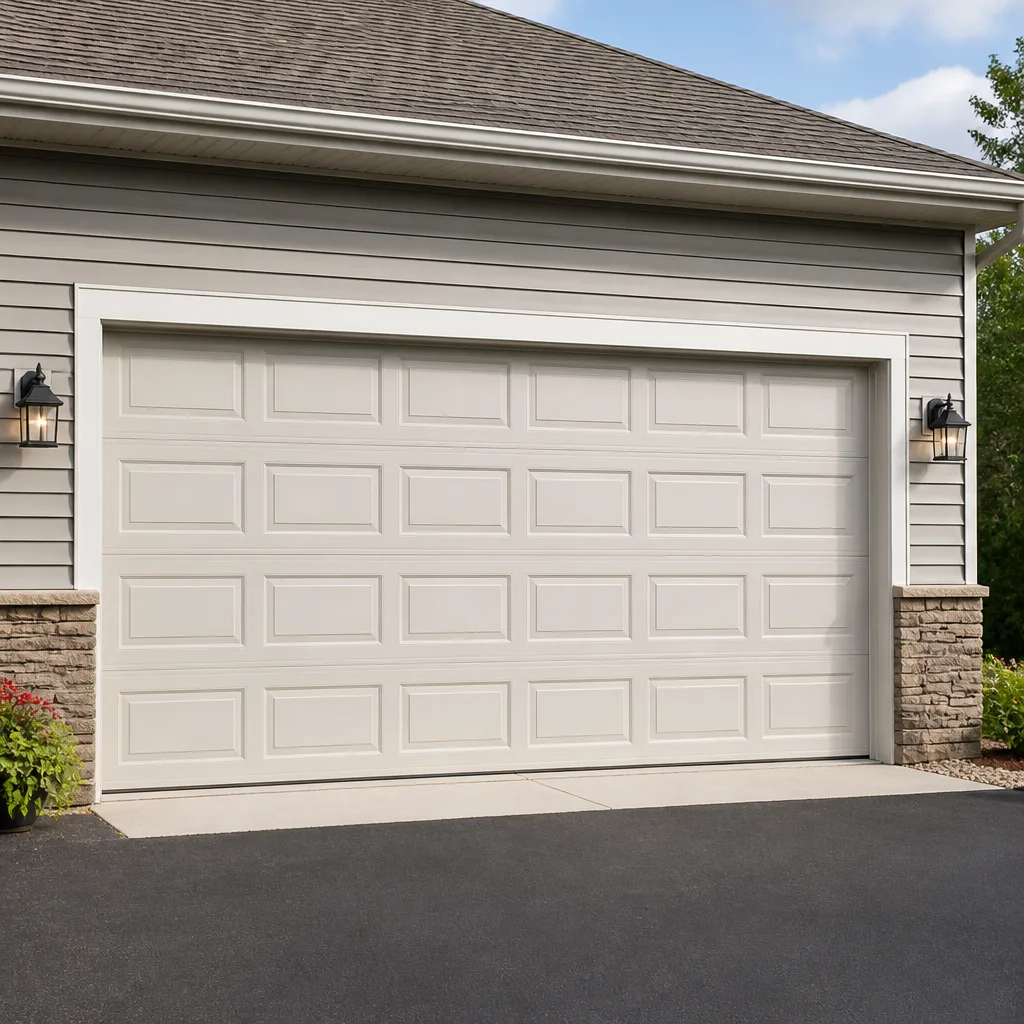 Raised-panel steel
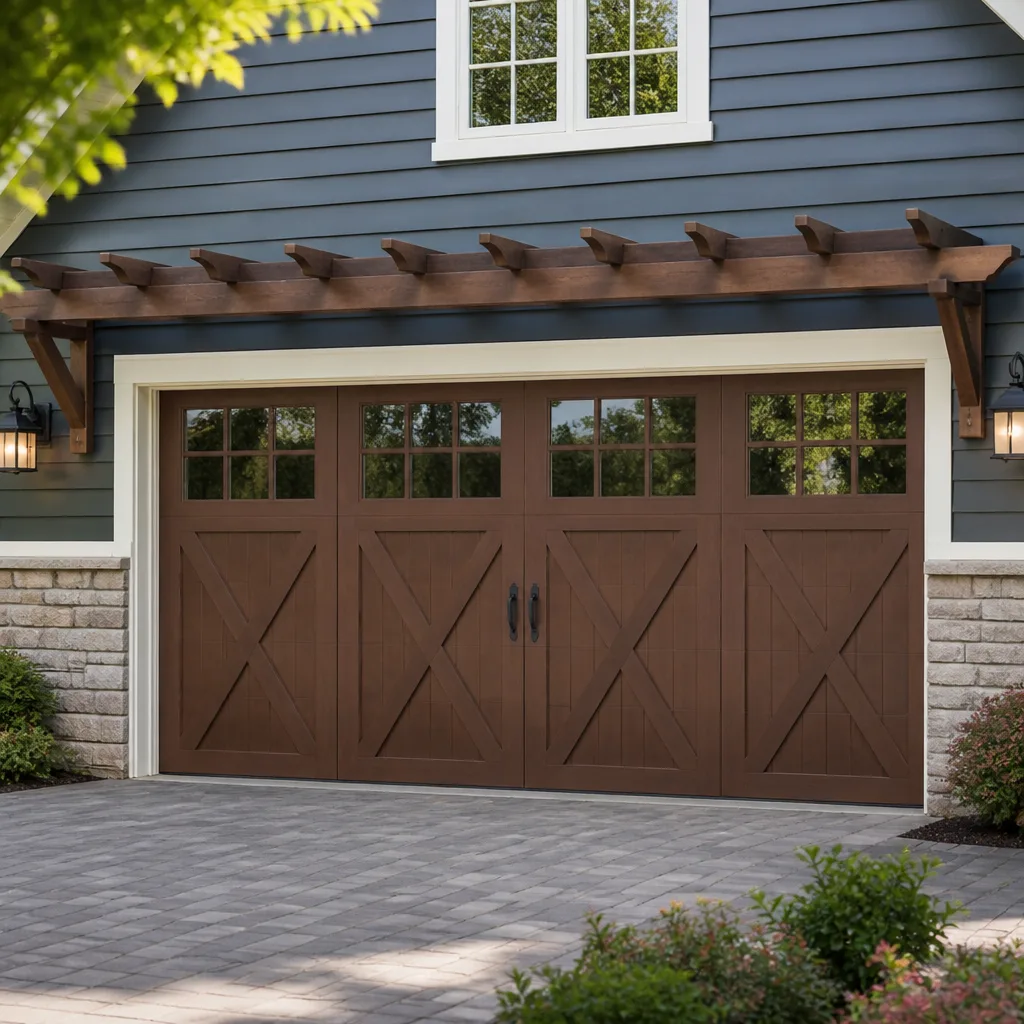 Carriage house
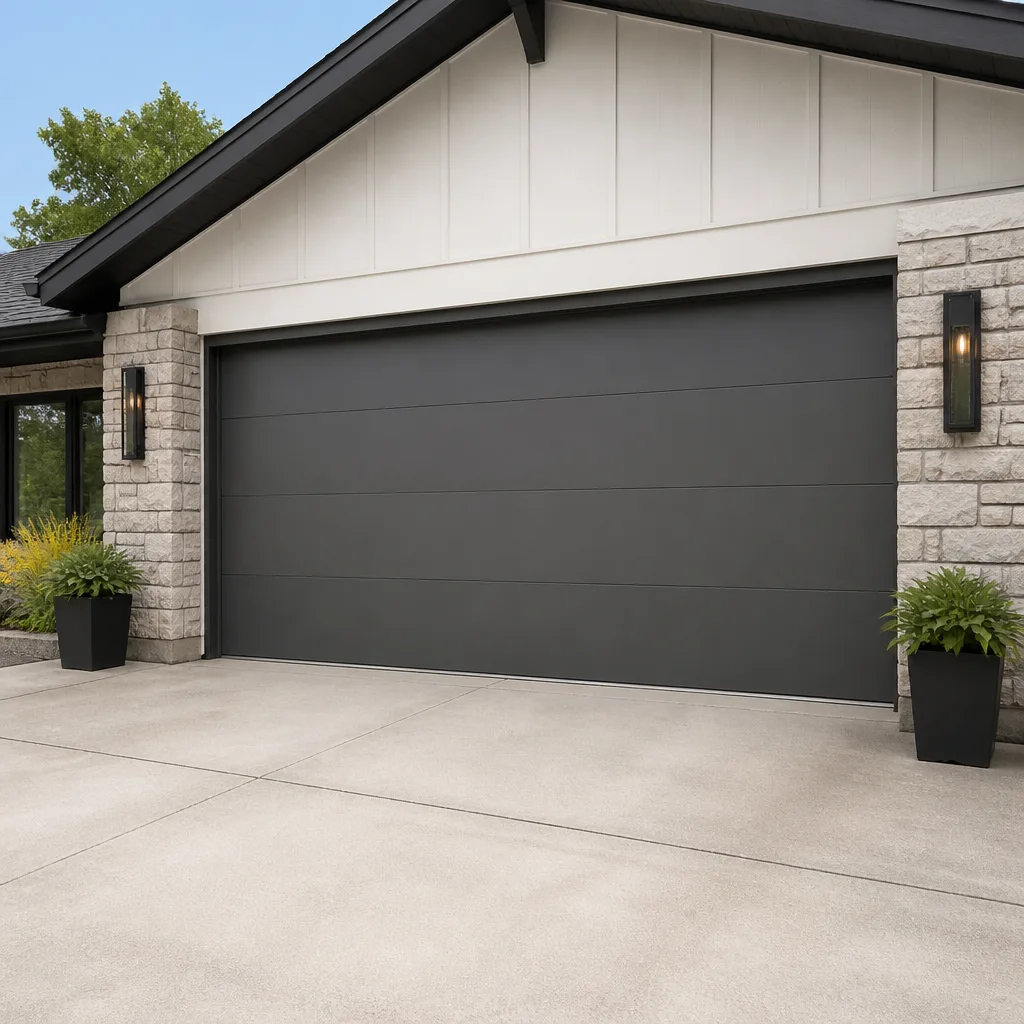 Modern flush
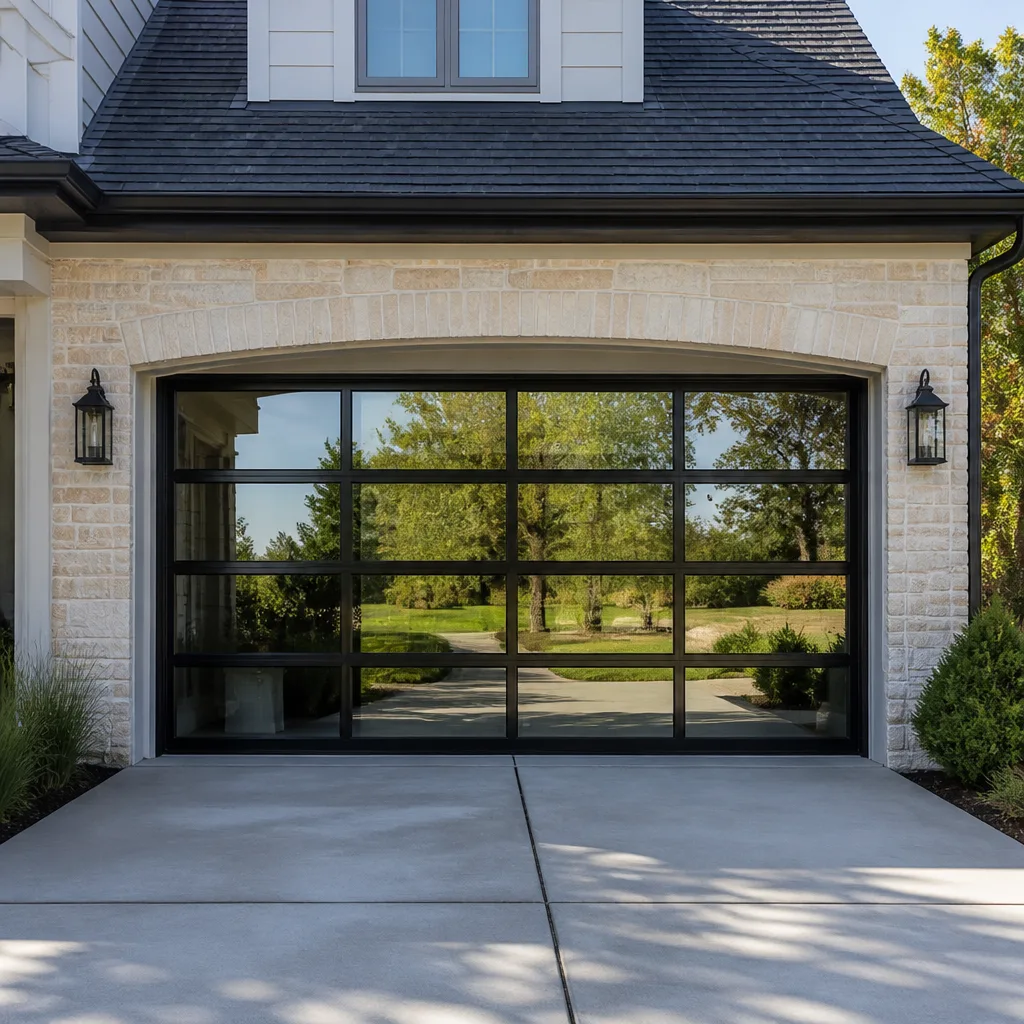 Full-view glass
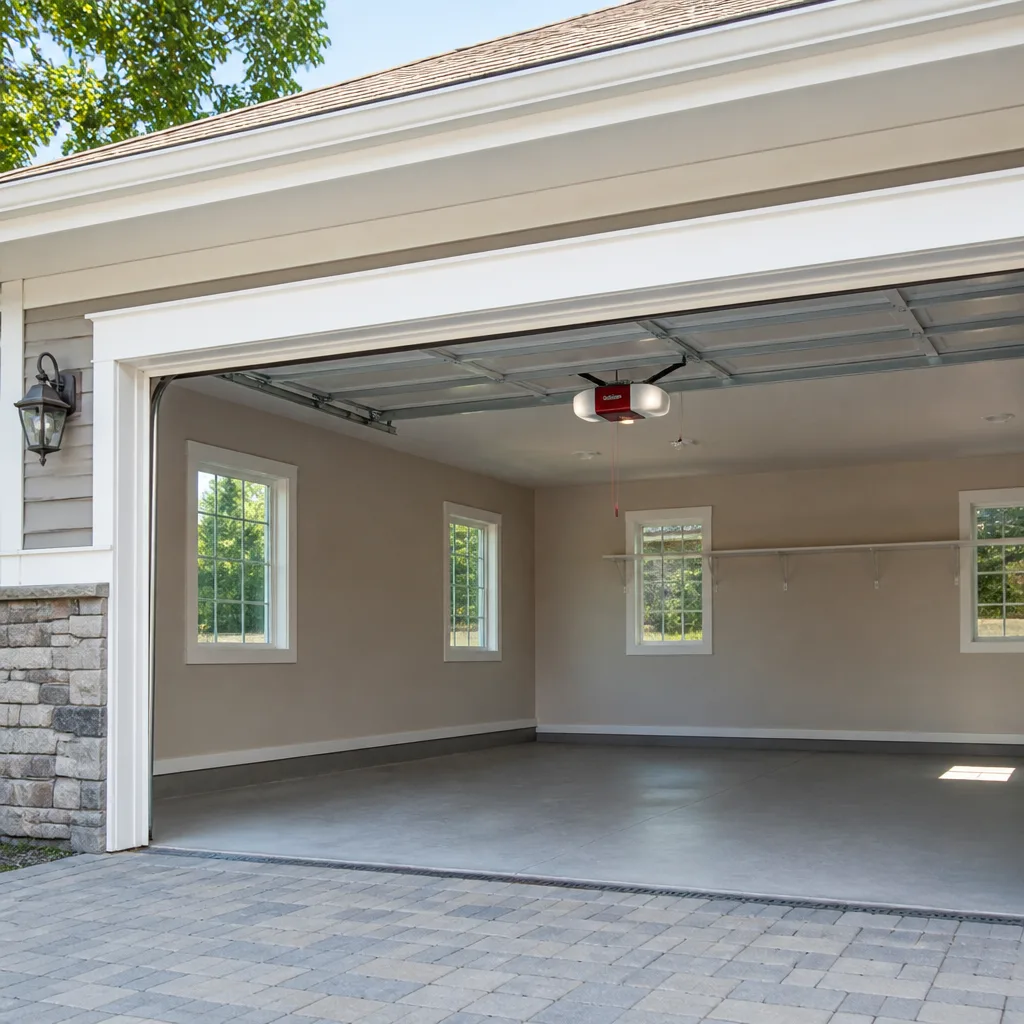 LiftMaster openers
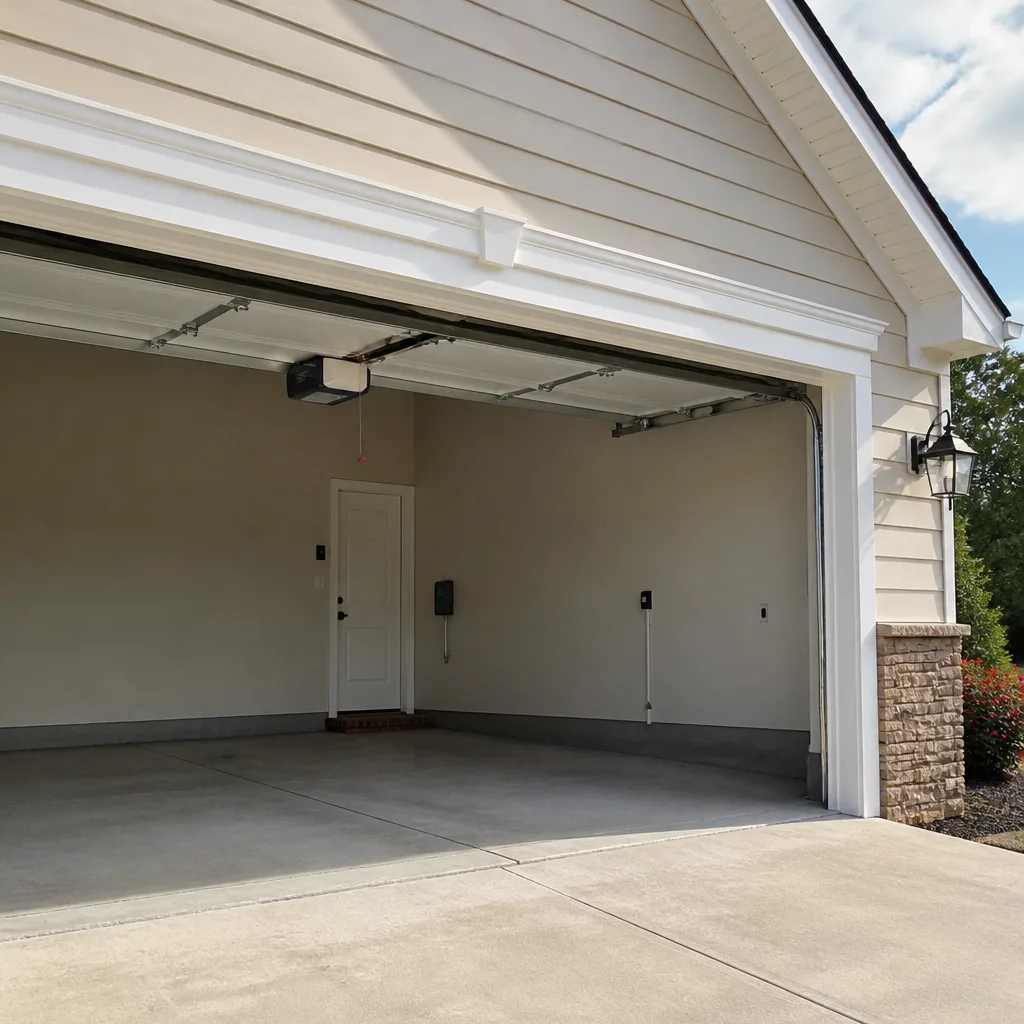 Chamberlain openers
Full 25-point door and opener safety check with every visit - springs, cables, rollers, tracks, and your LiftMaster or Chamberlain opener included
You get a price before we start. It does not change when the pro arrives.
Get your free estimateGarage Door Permits, Codes & Inspections in New Rochelle, NY: What You Need to Know
Most homeowners treat a garage door swap like swapping out an appliance: order the new one, watch it go up, move on. That assumption is the single most common paperwork mistake we see in New Rochelle. When a door replacement touches structural framing, alters the opening, or changes how the door and opener satisfy the state’s safety and egress rules, it usually needs a building permit – and a permit that never got pulled has a way of surfacing at the worst possible moment. This guide breaks down when a permit is required, when it isn’t, what an inspector actually checks, and how to avoid a surprise during a home sale.
Quick Answer
A like-for-like garage door replacement in New Rochelle generally requires a building permit through the City of New Rochelle’s Building Department, while routine repairs – new springs, rollers, cables, opener motor replacement, panel repair – usually do not. Structural changes like widening or adding an opening, and any installation that affects fire-rated walls or egress, require a permit and sometimes additional review. When you’re unsure, the simplest move is to call the Building Department before any work starts.
Styles & brands we work with
- Raised-panel steel
- Carriage house
- Modern flush
- Full-view glass
- LiftMaster openers
- Chamberlain openers
Table of Contents
- When does a garage door replacement need a permit in New Rochelle?
- Repair vs. replacement: where the line actually sits
- Structural modifications that trigger extra review
- What a New Rochelle building inspector looks for
- What happens when work goes unpermitted
- Pulling the permit yourself vs. having your contractor do it
- How New Rochelle weather and housing stock shape the job
- Common mistakes to avoid
- Frequently asked questions
When does a garage door replacement need a permit in New Rochelle?
A garage door replacement needs a permit in New Rochelle when the work is treated as construction rather than maintenance. In practice that means any full door swap, any change to the door’s size or the opening it sits in, and any job that touches the framing, header, or surrounding wall assembly. Replacing the entire door and track system counts as a replacement even if the opening stays the same size, because the door is a rated safety and structural component of the building envelope.
The threshold homeowners ask about most is the one that separates a repair from a replacement. Here’s the way to think about it:
- Permit-exempt (usually): replacing torsion or extension springs, swapping rollers, replacing a single damaged panel where the door model is still available, changing cables, replacing the opener motor or logic board, realigning track, adjusting sensors, replacing weatherstripping or bottom seals.
- Permit-required (usually): installing a new door or a new door and opener system where none existed, replacing a door with a different model or weight class, changing the size of the opening, altering the header or framing, converting a garage into living space, or adding a second door opening.
One wrinkle trips up a lot of New Rochelle homeowners: swapping a lighter door for a heavier insulated model can require a new spring system and sometimes a new opener, and that combination pushes a “repair” into “replacement” territory. If your existing door is a builder-grade model and you’re upgrading to an insulated Clopay or Amarr door, plan for the permit conversation from the start. Our team at New Rochelle Garage Door Repair Pros will tell you plainly whether your specific job crosses the line into permit territory before we order anything.
Repair vs. replacement: where the line actually sits
The cleanest test we use is this: does the work change the door’s identity as a building component, or restore it? Restoring the door to its original function rarely needs a permit. Changing what the door is – its size, weight, material, configuration, or the opening it occupies – almost always does.
- Identify the scope. Is the door being repaired (springs, cables, rollers, panels, opener) or replaced (new door, new track, new opener system)?
- Check the opening. Does the size of the opening itself change? If yes, that’s structural review, not a standard door permit.
- Check the door weight class. A heavier door usually means new springs and a stronger opener. A new spring system on an existing track is still repair; a new door plus new springs plus new opener is replacement.
- Call the Building Department. Confirm the scope with the City of New Rochelle’s Building Department before scheduling. A five-minute phone call resolves 95% of these questions.
- Get the answer in writing. If you’re told no permit is needed, note who you spoke with and when. That record matters if a question ever arises during a sale.
For a sense of how a repair vs. replacement decision lands in real cost terms, see our guide to garage door repair. If the door itself is failing beyond a repair, replacement is usually the more economical call, and the permit part is a smaller line item than most people expect.
Structural modifications that trigger extra review
Widening an existing opening or adding a new one moves the job into a different review category. Structural changes involve the header above the opening, the framing on either side, and sometimes the foundation and footing under the new opening. A door permit alone doesn’t cover that work, and inspectors treat it as a separate scope.
When structural work is in play, expect:
- Plans or drawings. A licensed architect or engineer may need to sign off on the framing and header design, depending on the scope.
- Separate permits. Structural, electrical (if you’re adding a circuit for a new opener), and door installation may each need their own permit and their own inspection.
- Inspections at multiple stages. Framing inspection before the door goes in, final inspection after installation and opener wiring are complete.
- A longer timeline. Structural review and multiple inspections add weeks, not days. Plan accordingly if you’re renovating around a deadline.
The other structural issue that comes up in New Rochelle, especially in older homes, is the fire separation between an attached garage and the living space. The wall, ceiling, and door assembly have to maintain a fire rating so a garage fire doesn’t spread to the house. Any change to that assembly – including a new door that doesn’t match the rating of the one it replaces – is a review item. Fire-rated walls involve specific thicknesses, materials, and sealing that most homeowners can’t assess from a photograph, so this is the moment to involve the Building Department and a qualified installer rather than guess.
What a New Rochelle building inspector looks for
A New Rochelle building inspector evaluating a garage door installation isn’t grading the aesthetics. The inspection is about safety, structural integrity, and code compliance – specifically the four things that matter most when a door fails: fire separation, opener safety, egress, and proper anchorage.
Fire-rated walls and ceilings
The walls and ceiling between an attached garage and the house have to maintain their fire separation. Inspectors check for proper materials, thickness, and sealing of any penetrations, including where the door track and opener mount, and whether the assembly still meets the required rating after the new door goes in.
Opener safety features
Every garage door opener in New Rochelle has to have a working automatic reverse feature and a photoelectric safety sensor system. Inspectors check that the sensors are mounted at the proper height, aligned, and that the opener reverses when the beam is broken. They also check the pressure sensitivity – a door that closes on a low obstruction should reverse on contact. Older openers without these features, or openers where the sensors have been bypassed, fail inspection.
Egress and safety release
New Rochelle homes with an attached garage have to provide a safe exit from the garage to the exterior or to the living space. Inspectors check the man door (if present) for proper operation and hardware, and confirm that the door’s manual release works so the door can be opened by hand in a power outage. A door that can’t be operated manually is a safety problem, not a convenience issue.
Proper anchorage and track installation
The track, brackets, spring system, and door hinges have to be anchored to sound framing with appropriate fasteners. Inspectors check for proper attachment, correct spring mounting, and that the door balances and travels smoothly without binding. This is where an unpermitted, handyman-grade installation usually reveals itself.
What happens when work goes unpermitted
Unpermitted garage work is usually invisible to the homeowner until it isn’t. The moment it surfaces is almost always a real estate transaction – a buyer’s inspection, an appraiser’s report, or a title search that flags a permit that was never filed or never closed out. When that happens, the deal is the thing that gets held up, and the fix has to happen fast and often at the seller’s expense.
What remediation typically involves:
- A retroactive permit application. You apply after the fact, which means the city reviews the work without having seen it during construction.
- An inspection of the existing work. The inspector determines whether the installation meets current code. If not, corrections are required – sometimes a full reinstallation.
- Possible stop-work orders. If the city identifies unpermitted work in progress, a stop-work order can halt the job until the permit and inspections are resolved.
- Sale delays. Buyers and their lenders frequently won’t close on a home with open permits or unpermitted structural work. Resolving it mid-transaction is slower and more expensive than pulling the permit up front.
The takeaway is straightforward: the permit cost is a small fraction of the cost of remediating an unpermitted installation during a home sale, and it’s a fraction of the cost of a stop-work order. Pull the permit when the work is replacement-level, keep the paperwork, and you’ll never have to have this conversation during a closing.
Pulling the permit yourself vs. having your contractor do it
You can pull a garage door permit yourself as a homeowner in New Rochelle, and it’s legal to do so. The question is whether it’s wise. In our experience, the homeowner is meaningfully better protected when the licensed professional who’s doing the work pulls the permit, because that arrangement ties the permit to the party responsible for code compliance.
Doing it yourself
- Gather documentation. Door specifications, opener specifications, and product data for the door and opener go into the application.
- Submit the application. Apply to the City of New Rochelle’s Building Department with the required forms, plans, and fees.
- Schedule the inspections. You’re responsible for requesting the inspection at the right stage – after installation and before final sign-off.
- Own the compliance risk. If the work fails inspection, you’re the party who has to get it corrected and resubmitted.
Having your contractor pull it
- Permit is filed under the contractor. The licensed professional holds the permit and is responsible for compliance with the door and opener requirements.
- Inspections are scheduled by the contractor. The final inspection is coordinated around the installation, not left on your calendar.
- The contractor manages corrections. If something fails, the contractor fixes it on their permit, not yours.
- Cleaner paper trail. When you eventually sell, the permit shows up closed and inspected under a licensed contractor, which is exactly what a buyer’s agent wants to see.
If you’re going the contractor-pulls-it route, verify the contractor will actually pull the permit before the work starts, not after. That single question – “who’s pulling the permit, and when?” – eliminates most of the risk. For more on choosing the right help for the job, see our New Rochelle Garage Door Repair Pros home page.
How New Rochelle weather and housing stock shape the job
New Rochelle’s weather does specific things to a garage door that show up at inspection time. The freeze-thaw cycle across winter and early spring works on the bottom seal, the door panel seams, and the concrete at the threshold. Water that gets into a hairline crack, freezes, and expands loosens the seal, warps a wood door, and can shift the mounting points over a few seasons. When an inspector checks anchorage and balance, they’re checking for exactly this kind of accumulated movement.
The housing stock matters just as much. New Rochelle has a wide mix of housing ages, and that shows up in what the installation team and the inspector are working with:
- Older homes with wood-frame garages. Framing moves over time, so track anchorage and spring mounting need to be verified against actual framing, not assumed from the original spec. Wood doors are more vulnerable to the seasonal moisture swings.
- Mid-century colonials and split-levels with attached garages. The fire separation between garage and house is a real inspection item, especially where a previous owner finished or modified the garage wall without a permit.
- Newer construction. Tighter tolerances and higher insulated-door weights mean the opener and spring system have to match the door’s actual weight class, which is exactly the kind of thing an inspector checks during the balance and force test.
The other local factor is tree debris. New Rochelle’s tree canopy drops limbs and leaf debris onto driveways and against doors through fall and winter. A door that’s been repeatedly hit by fallen debris dents panels and stresses hinges, and a door that doesn’t travel smoothly fails the balance portion of an inspection. If your door has visible impact damage, panel replacement is the repair, and panel replacement is (usually) permit-exempt.
For the spring system specifically – the part of the door that takes the most abuse from the seasonal swings – our garage door spring repair team handles the torsion and extension work.
Common mistakes to avoid
- Assuming a like-for-like swap needs no permit. A new door is generally a replacement, not a repair, even when it’s the same size as the old one. Confirm with the Building Department before you order.
- Letting the contractor start before the permit is filed. Work that starts before the permit is issued can be flagged, and an inspector can require the door to come back off for review. Ask for the permit number before installation day.
- Skipping the opener permit. A new opener circuit or a new opener installation may need its own electrical permit, separate from the door permit. A door permit alone doesn’t cover the wiring.
- Missing the fire separation question. Older homes in New Rochelle frequently have garages with original or modified framing between the garage and house. If the new door doesn’t match the rating of the wall it’s adjacent to, the inspection will catch it.
- Bypassing the safety sensors “just to get it closed.” Zip-tied or disconnected photoelectric sensors will fail inspection, and they’re a genuine safety problem for kids and pets. Fix the sensor alignment, don’t disable it.
- Not keeping the inspection paperwork. The buyer’s agent at sale time will ask for the permit and the final inspection sign-off. Keep both in your home records. A missing sign-off is the single most common reason a garage door job comes up during a home sale.
- Hiring the lowest bid without asking about the permit. A contractor who doesn’t mention the permit at all is either planning not to file one or doesn’t know the code requires it. Ask the question explicitly before signing.
See the difference
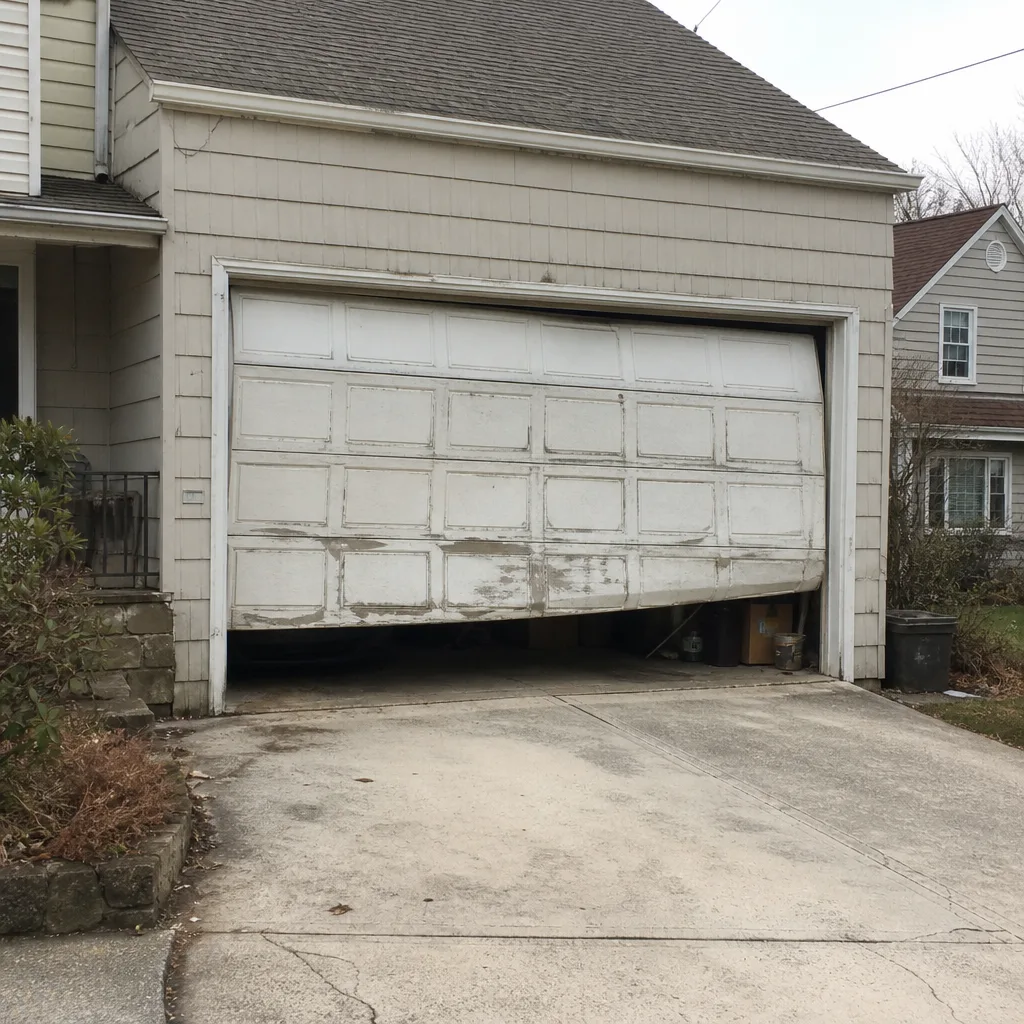 Before
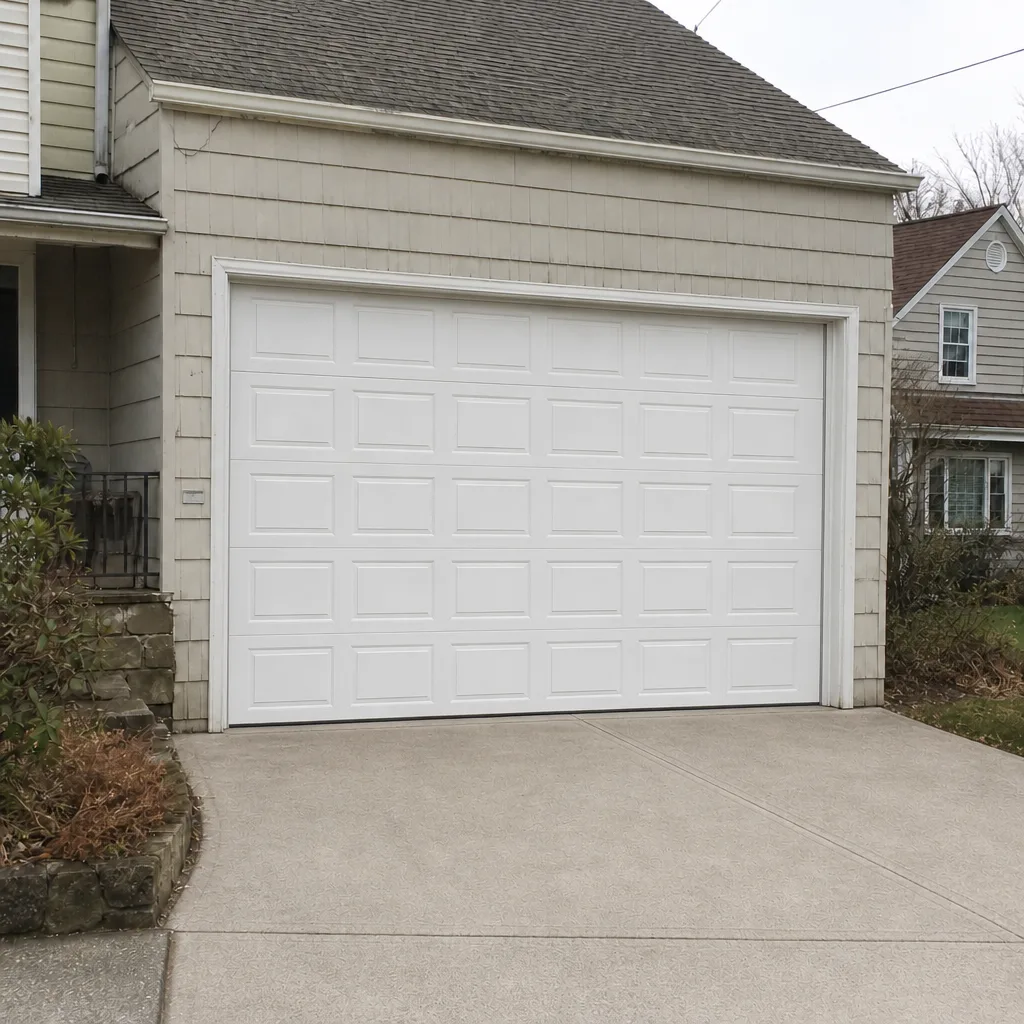 After
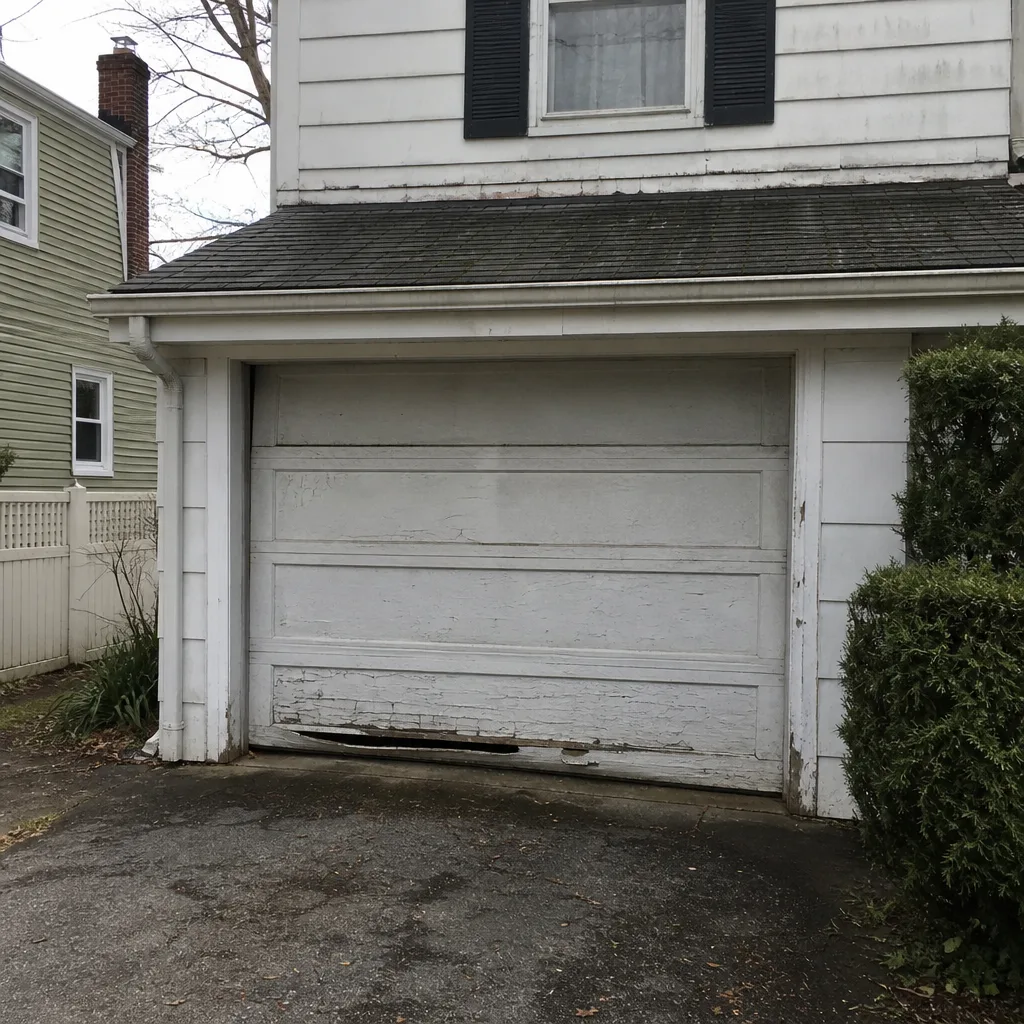 Before
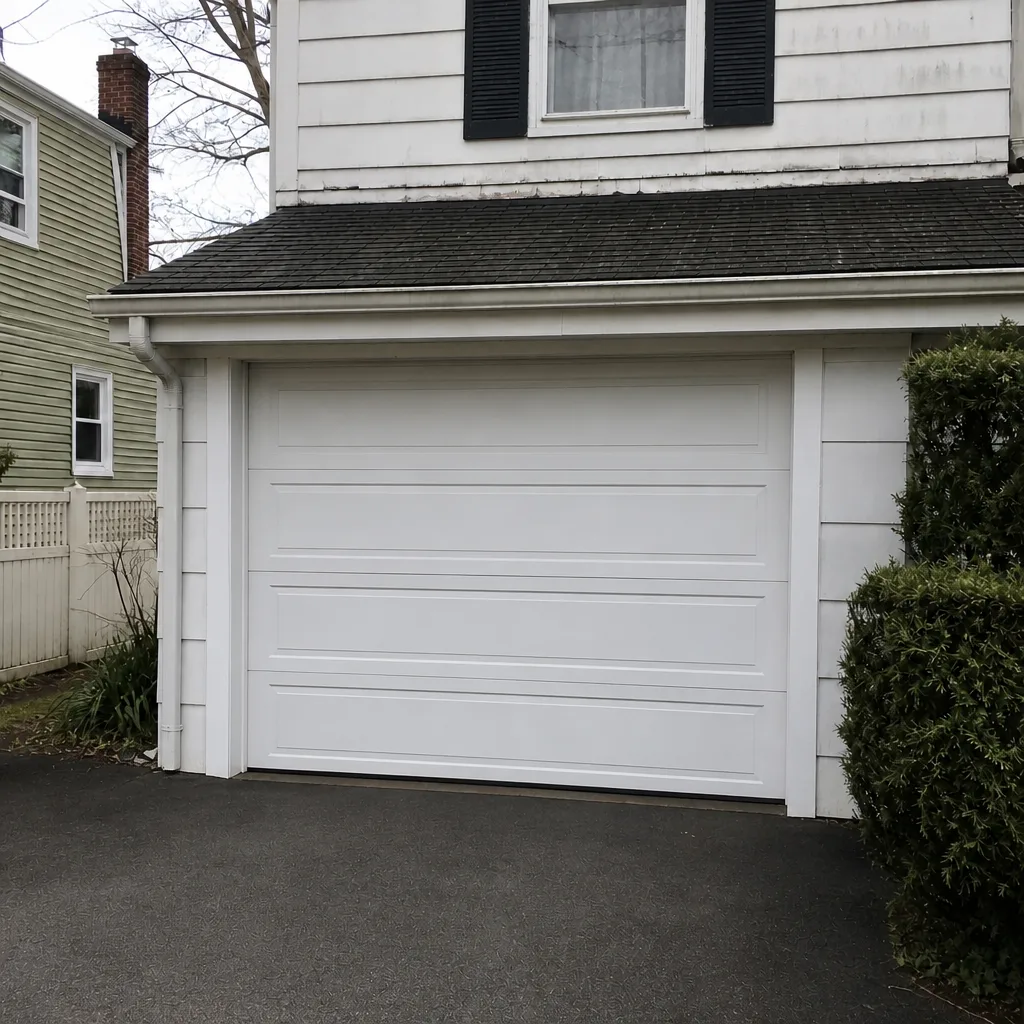 After
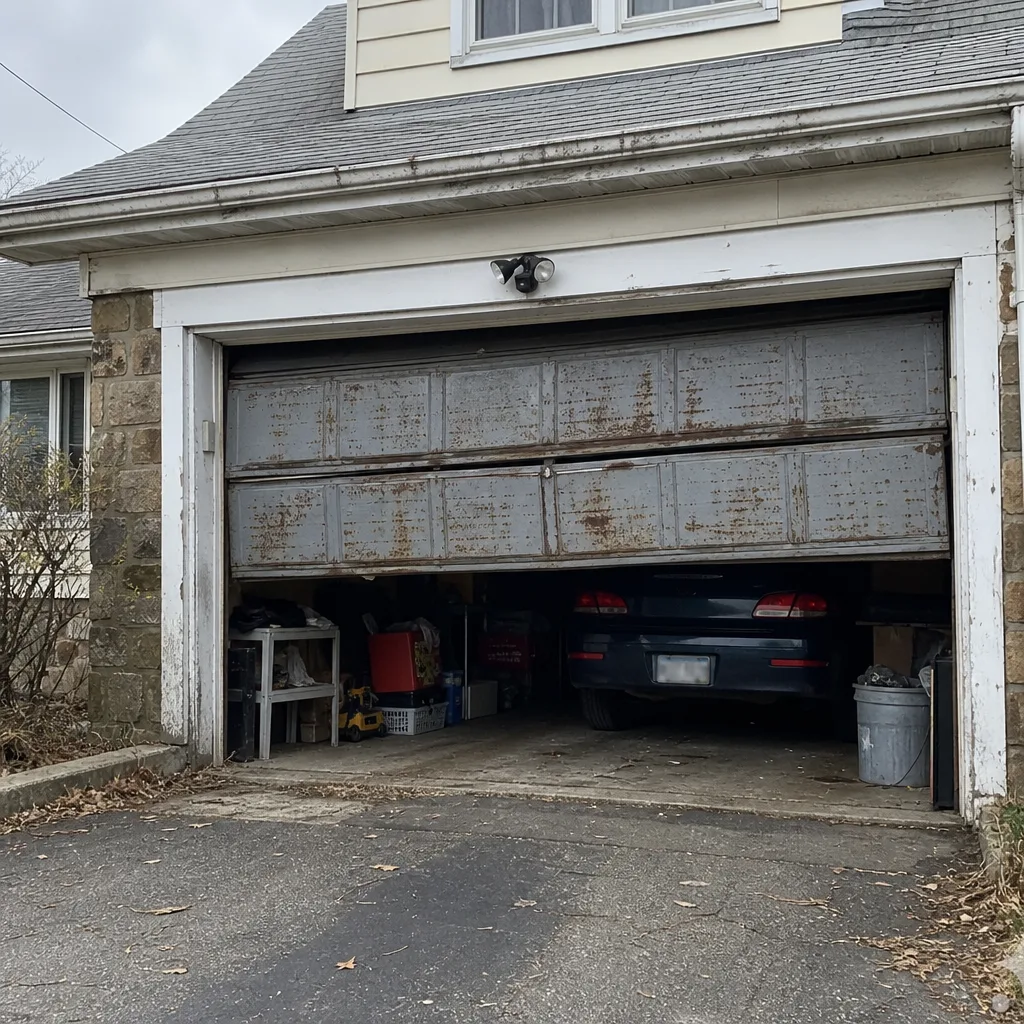 Before
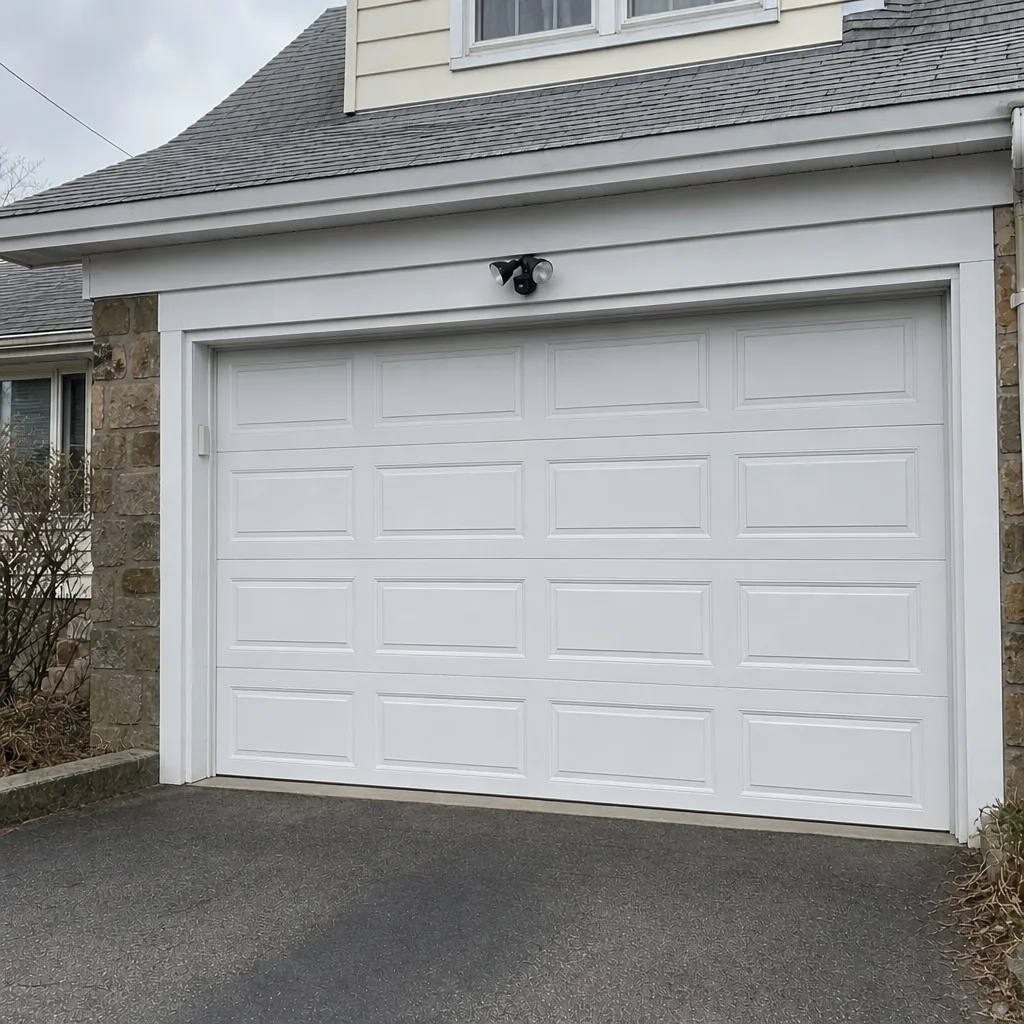 After
When to Call a Professional
A permit is only half the equation – the installation has to pass inspection, and a pass depends on the door being installed correctly the first time. Call a professional when the job involves a full door replacement, a new opener, a spring failure (springs are a genuine injury risk and are not a DIY job), a door that’s off track, or a structural change to the opening. Call even if you’re not planning to pull a permit yourself, because the licensed installation is what the inspector actually evaluates.
New Rochelle Garage Door Repair Pros offers free estimates in New Rochelle – call (877) 417-8369. Our technicians have up to 13 years of experience, we work on Genie, Clopay, Amarr, Wayne Dalton, and other major door and opener systems, and we’ll tell you upfront whether your job needs a permit and how we handle the paperwork. If your opener is the piece that’s failing, see our garage door opener repair page for what’s involved.
Frequently Asked Questions
Yes, a full garage door replacement in New Rochelle generally requires a building permit through the City of New Rochelle’s Building Department. Routine repairs – springs, cables, rollers, panels, opener motors – usually don’t. If the job changes the door’s size, weight class, or the opening itself, treat it as a permit-required replacement and confirm with the Building Department before you order.
Replacing an opener with a like-for-like unit on an existing circuit is usually treated as maintenance and doesn’t trigger a door permit. But a new opener that requires a new electrical circuit, or an opener added where none existed, typically needs an electrical permit. When in doubt, call the Building Department and describe the exact scope.
The inspection itself is short – a single visit, typically well under an hour for a standard residential door. The timeline that matters is the permit review and the scheduling window between installation and inspection. Planning to close that loop before any home sale is what keeps the transaction clean.
The work is treated as unpermitted, and the fix is a retroactive permit application plus an inspection. If the installation doesn’t meet current code, corrections are required – sometimes a full reinstall. The cost of remediating after the fact is far higher than the original permit, and the real teeth show up during a home sale, when an open permit can hold up closing.
Yes, a homeowner can apply for the permit directly. You’ll be responsible for submitting the door and opener specs, scheduling the inspections, and correcting anything that fails. Most homeowners get better protection by having the licensed contractor pull the permit, because the compliance responsibility then sits with the professional doing the work.
Fire separation between the garage and the house, opener safety features (auto-reverse and photoelectric sensors), manual release and egress, and proper anchorage and balance of the door. A door that binds, a sensor that’s been bypassed, or an opener that doesn’t reverse will fail inspection. The four checks are predictable, which means they’re also preventable with a correct installation.
The Bottom Line
The permit question in New Rochelle comes down to one clean distinction: is the door being repaired or replaced? Repairs rarely need a permit. Replacements, size changes, and anything touching structural framing, fire separation, or egress usually do. Pull the permit before the work starts, have the licensed installer pull it, keep the inspection sign-off in your records, and the job will never come back to bite you during a sale. It’s a small piece of paperwork compared to the cost of a stop-work order or a delayed closing.
For a free estimate in New Rochelle, call (877) 417-8369. Our technicians have up to 13 years of experience and will walk you through the permit question before any work is scheduled.
Written by the team at New Rochelle Garage Door Repair Pros.