Last updated November 22, 2026
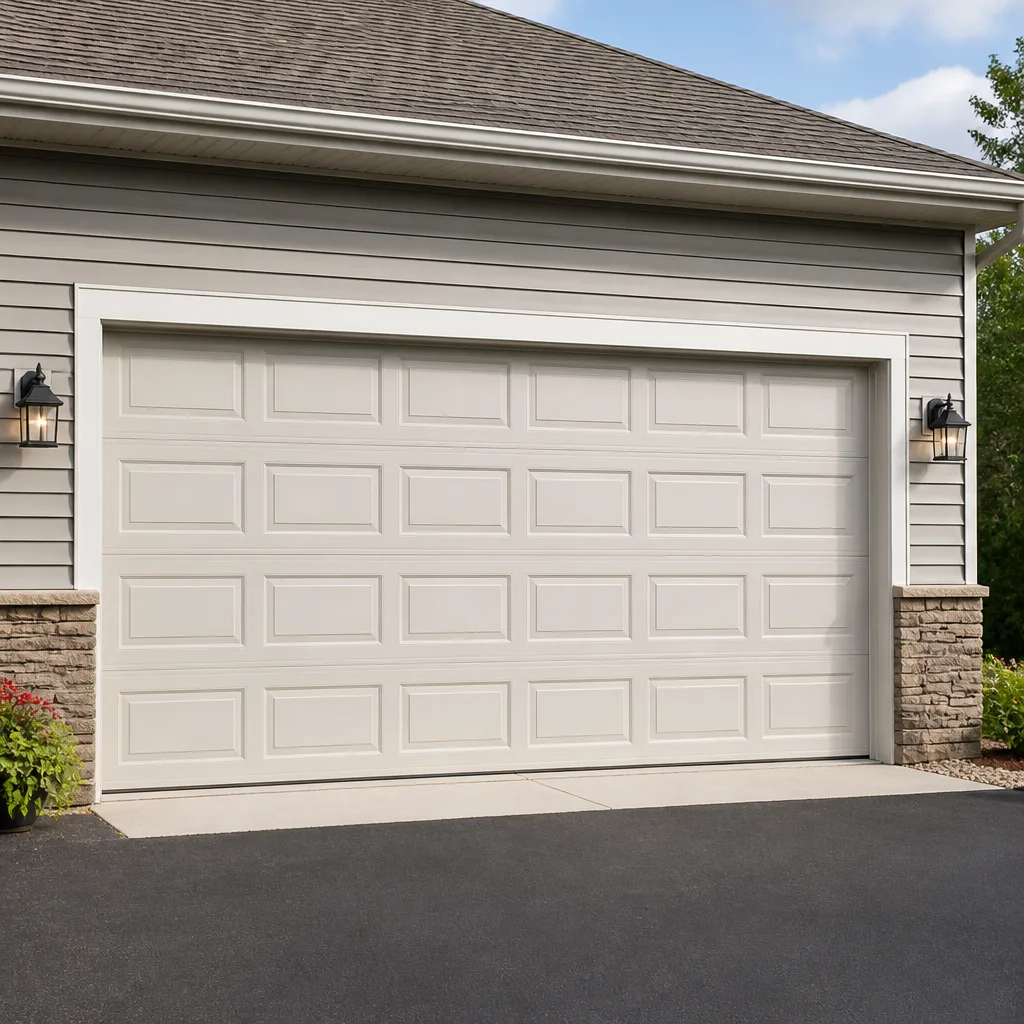 Raised-panel steel
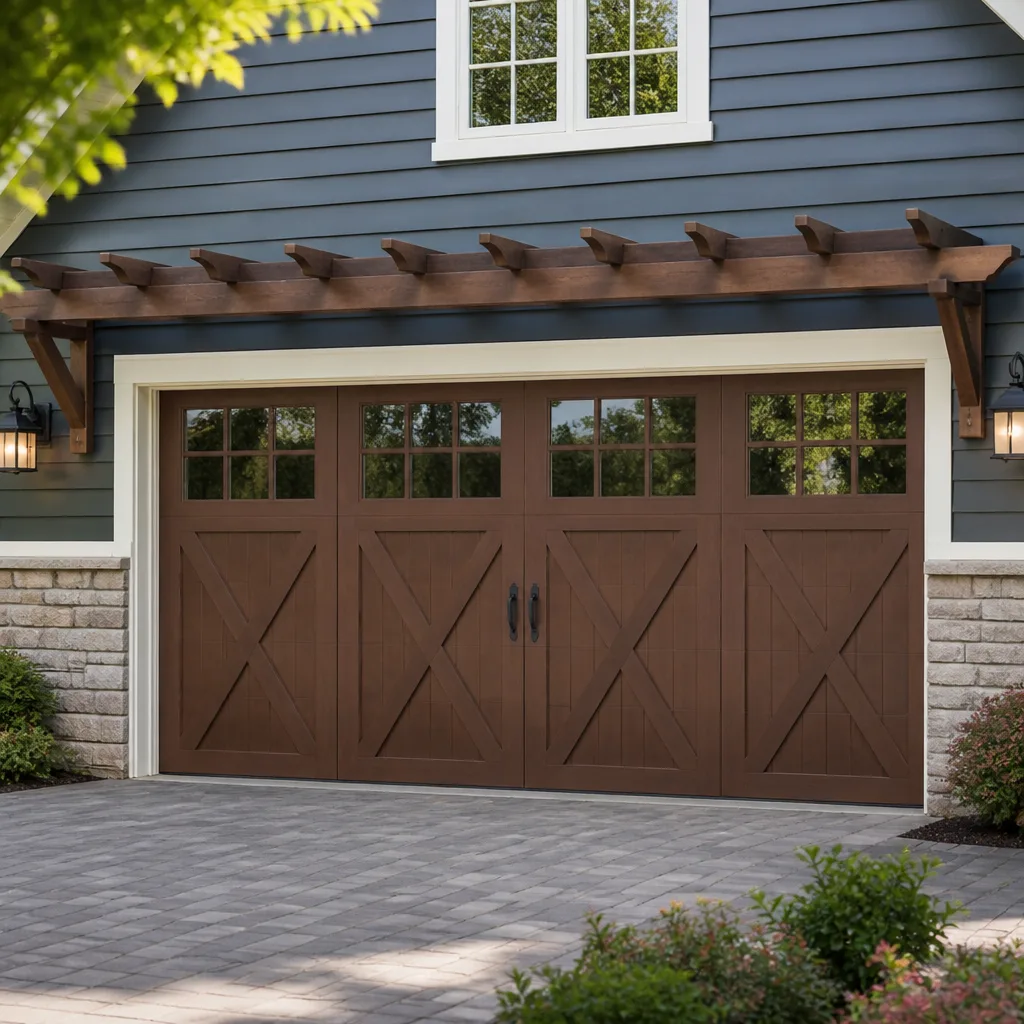 Carriage house
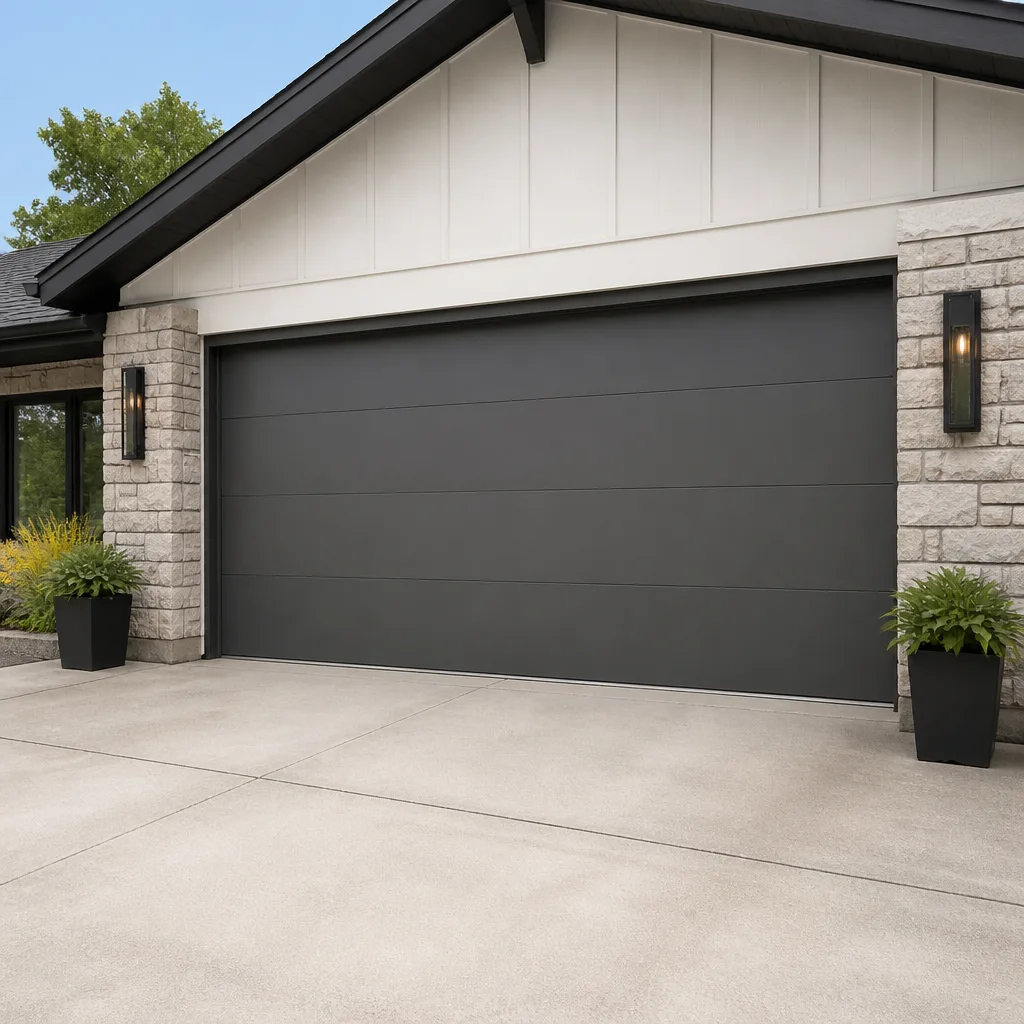 Modern flush
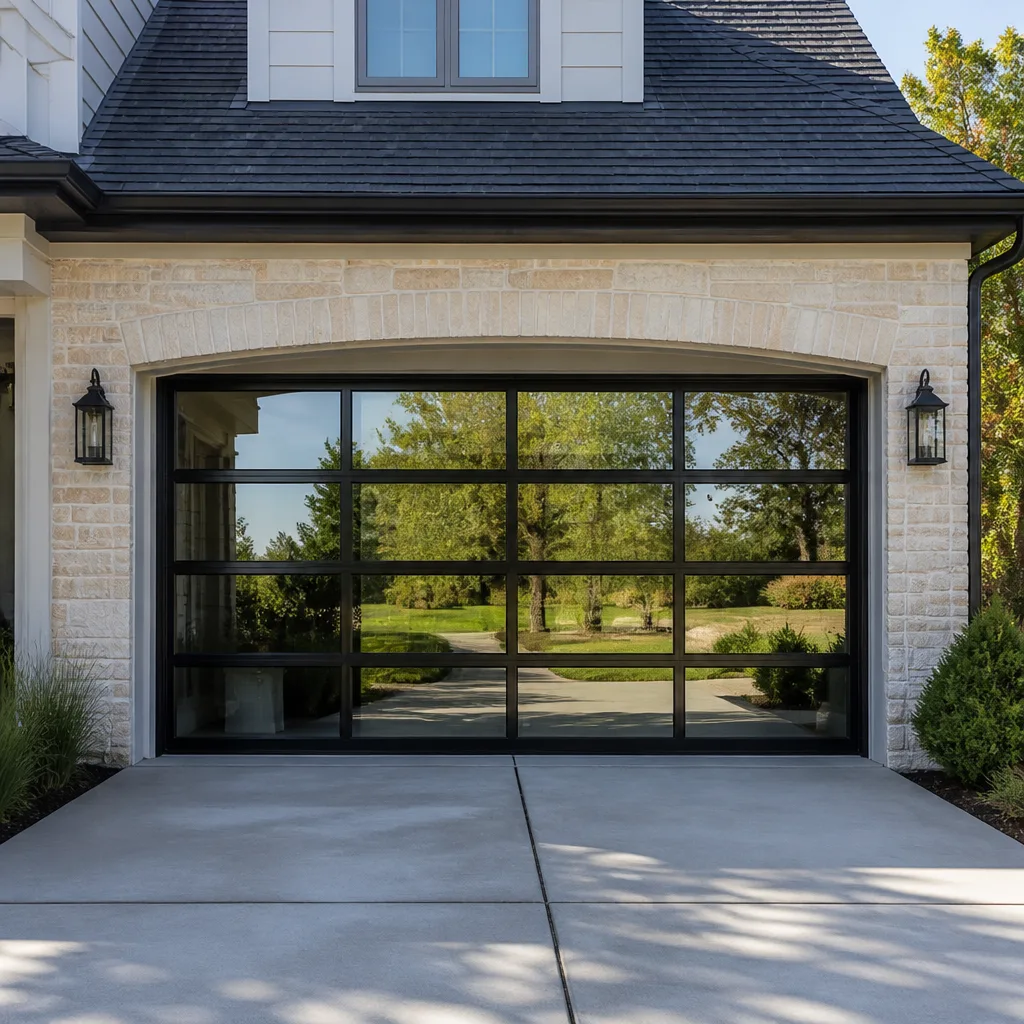 Full-view glass
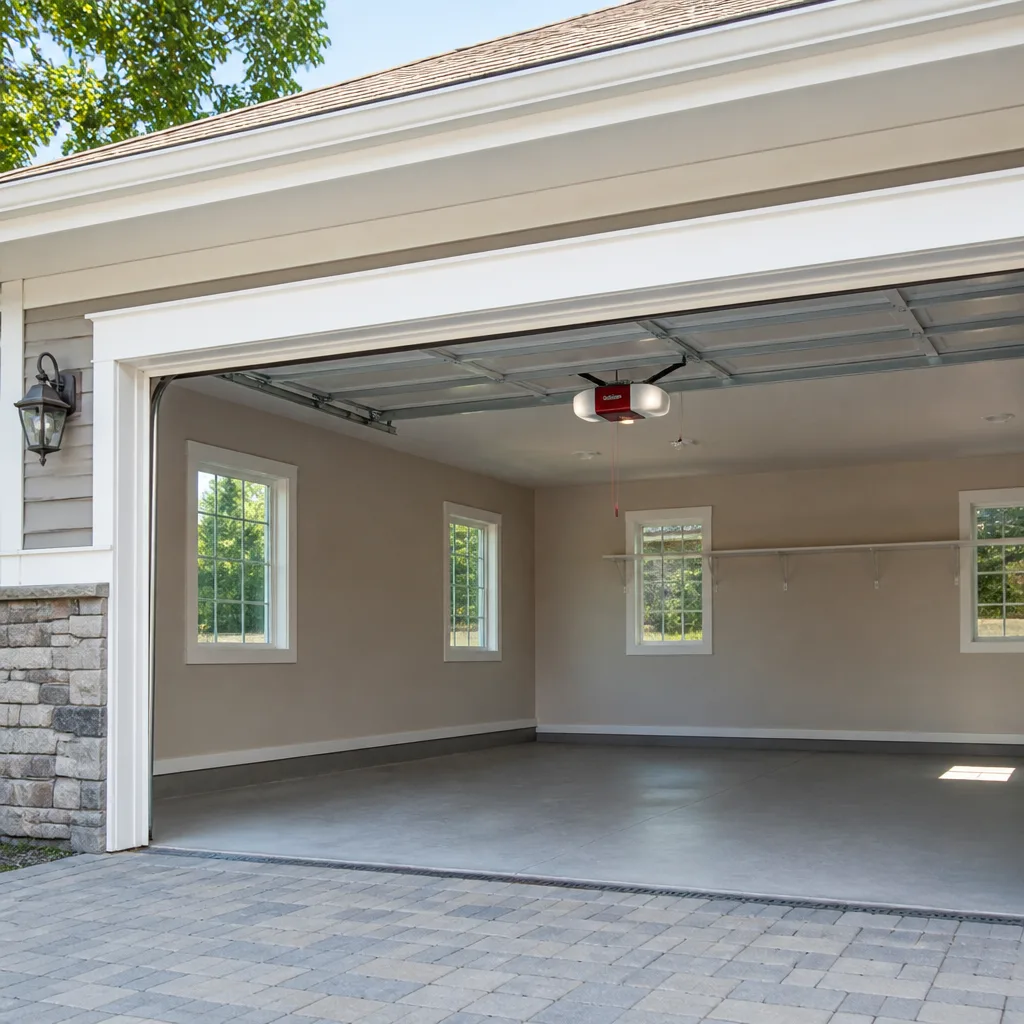 LiftMaster openers
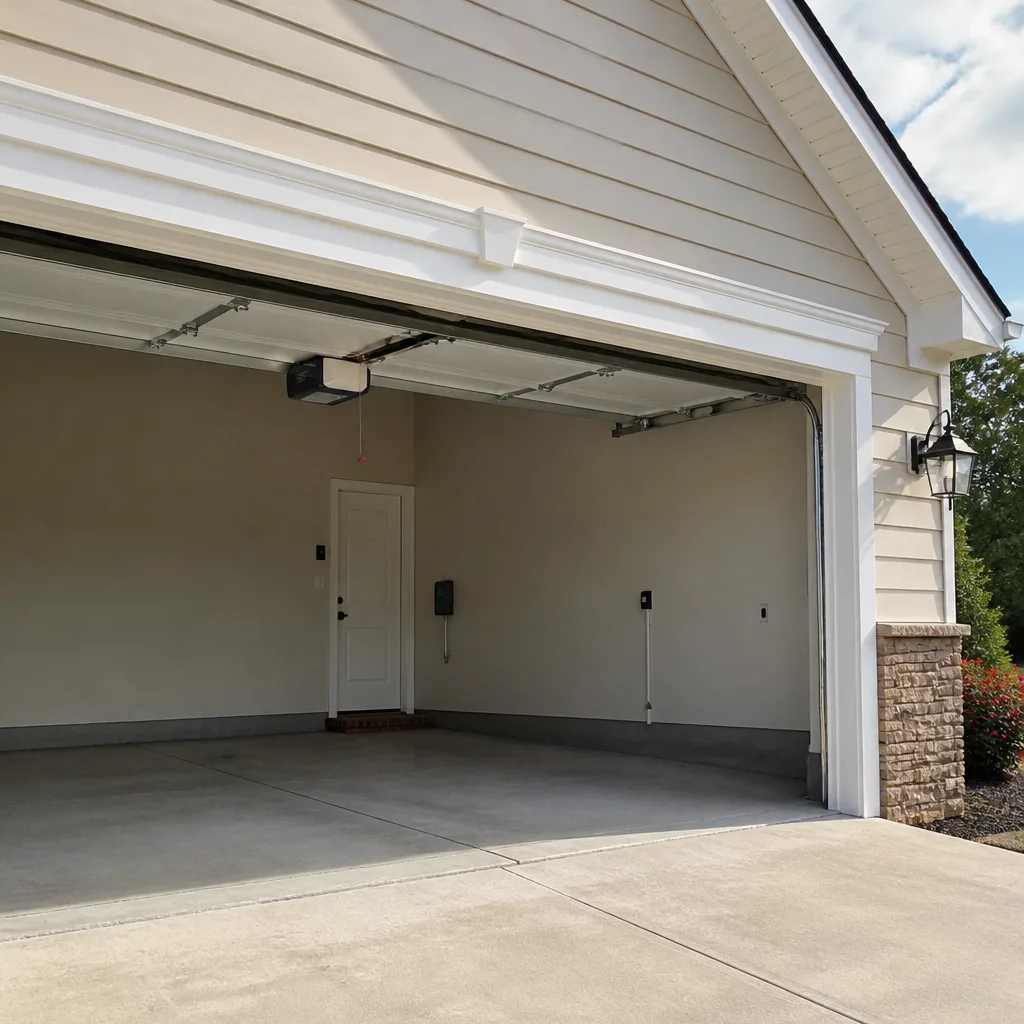 Chamberlain openers
Full 25-point door and opener safety check with every visit - springs, cables, rollers, tracks, and your LiftMaster or Chamberlain opener included
You get a price before we start. It does not change when the pro arrives.
Get your free estimateSeasonal Garage Door Care for New Rochelle: Year-Round Homeowner’s Guide
January in New Rochelle is when garage door springs snap most often, and it isn’t bad luck. It’s physics. Steel loses elasticity as the temperature drops, so a spring that was borderline in September becomes a genuine failure risk at 15°F. The same pattern repeats across the year, just with different parts of the door under stress: freeze-thaw cycles in March, humidity in July, leaf grit and cold contraction in November. Homeowners who understand that seasonal rhythm spend far less on repairs than the ones who only call when something breaks. This guide maps each season’s stresses to a concrete month-by-month plan you can actually follow.
Quick Answer
Seasonal garage door care in New Rochelle means adjusting for cold contraction in fall, clearing ice and snow safely in winter, inspecting freeze-thaw wear in spring, and watching heat and humidity effects in summer. The single highest-value habit is a short monthly inspection of springs, rollers, tracks, and the bottom seal. Most of what goes wrong with a garage door here fails on a predictable schedule, and catching it early keeps a small adjustment from turning into a spring replacement.
Styles & brands we work with
- Raised-panel steel
- Carriage house
- Modern flush
- Full-view glass
- LiftMaster openers
- Chamberlain openers
Table of Contents
- Fall Prep: Adjusting for Cold Contraction
- Winter: Ice, Snow, and the Frozen Seal
- Spring: The Post-Winter Inspection Checklist
- Summer: Heat, Humidity, and Panel Movement
- Long Island Sound Humidity and Hardware Corrosion
- Month-by-Month Action Plan
- Brand-Specific Notes for Common Local Doors
- When to Call a Professional
Fall Prep: Adjusting for Cold Contraction
Fall is the season that decides how your door behaves in February. As the average temperature in New Rochelle slides from the 60s into the 40s, every metal component on the door contracts. Steel tracks narrow slightly. The door panels themselves shrink a fraction of an inch. Springs that felt fine all summer start to carry more load because cold steel is stiffer and less forgiving.
Two adjustments matter most in fall.
- Spring tension check. A torsion spring that’s properly wound in September may feel underpowered by November. The door should lift smoothly and stay balanced at the halfway point when you disengage the opener. If it drops or feels heavy, the tension needs a trained eye, not a DIY turn of the winding bars. Torsion springs store enough energy to cause serious injury, and this is the one part of the door we never recommend adjusting yourself.
- Opener limit settings. Most modern openers, including Genie and LiftMaster units, have travel limits that decide how far the door opens and closes. Cold contraction can shift those limits by a half inch or so. If your door doesn’t quite seat against the floor in December, the limit was likely set in warm weather and never revisited. A small adjustment in October prevents a gap that lets cold air and pests in all winter.
Fall is also the right time to lubricate. A light application of white lithium grease on the rollers, hinges, and spring coils (never on the tracks themselves) keeps things moving freely once the cold sets in. If your door is a Wayne Dalton or Clopay model with nylon rollers, check them for flat spots now; cold makes a failing roller noisy fast.
Winter: Ice, Snow, and the Frozen Seal
Winter is when garage doors in New Rochelle earn their keep, and when the small failures become urgent. The bottom seal is the component most homeowners ignore until the door refuses to close. When the seal freezes to the concrete, the opener keeps pushing, the safety reverse engages, and the door cycles back up. You stand there in boots at 7 a.m. wondering why nothing works.
Here’s how to handle the two winter problems that come up most.
Clearing ice from the bottom seal without cracking it
Never chip at a frozen seal with a shovel or ice scraper. Vinyl and rubber seals get brittle in cold, and a hairline crack today becomes a full seal replacement by March. Instead, break the bond with warm (not boiling) water poured along the base, or a rubber mallet tapped gently along the bottom edge from the inside. Once the door is free, clear the snow and ice from the apron in front of the door so it can’t refreeze in the same spot.
If the door freezes to the floor
Don’t force the opener. Disengage it with the manual release cord, lift the door by hand if you can, and clear the ice underneath. If the door won’t budge by hand, the spring or cable may be the real problem, not the ice. In that case, stop and call. Winter is also when we get the most emergency calls, and a stuck-open door overnight in a New Rochelle cold snap is worth treating as an emergency rather than a morning errand.
Ice dams and drifted snow against the door also put lateral pressure on the tracks. Check that the vertical tracks are still plumb after a heavy storm and that the rollers haven’t popped out of the curve.
Spring: The Post-Winter Inspection Checklist
March and April in New Rochelle bring freeze-thaw cycling that’s hard on every mechanical part of a garage door. Water gets into small gaps during the day, freezes at night, expands, and works the gap wider. By the time the daffodils come up, the parts that took the most punishment need a look.
Work through this checklist once, in spring, and you’ll catch most of what winter left behind:
- Inspect the springs. Look for gaps in torsion springs, stretched extension springs, and any sign of rust or a visible break. A spring with a visible gap has failed and needs replacement before the door is used again.
- Check the cables. Run your eyes along the cables on both sides of the door. Fraying, kinks, or slack on one side only means the cable is stressed. Cables are under high tension and are a trained-professional job.
- Test the safety reverse. Place a roll of paper towels under the closing door and confirm it reverses on contact. This is the one safety feature your family relies on every day.
- Wiggle the rollers. Worn rollers rattle in their hinges and wear the track. Replacing them in spring is cheap; replacing the track isn’t.
- Look at the bottom seal. Winter is hard on the seal. If it’s cracked, torn, or sitting unevenly on the floor, replace it before summer heat bakes it into place.
- Check the balance. Disengage the opener and lift the door halfway. It should stay put. If it drifts, the springs are out of balance.
- Clear the tracks. Winter grit and salt from the car matting in the tracks will wear the rollers through summer. Wipe them down with a damp cloth and dry them.
If any step turns up something you’re not sure about, that’s what we’re here for. Our garage door repair team handles spring, cable, and roller issues that show up after winter, and most of them can be sorted in a single visit.
Summer: Heat, Humidity, and Panel Movement
Summer in New Rochelle brings the opposite problem to winter: heat expansion. Metal panels grow a fraction of an inch, wood doors swell with humidity, and vinyl or composite panels can soften slightly in direct afternoon sun. None of it is catastrophic on its own, but each one stresses a different part of the door.
Vinyl and composite panels
These materials are common on newer installs and on models from Amarr and Clopay. In prolonged heat, a panel in direct sun can warp slightly if the door isn’t balanced. Watch for gaps opening between sections or a door that binds at the top or bottom of its travel. Keeping the door in the shade during the hottest part of the day helps; so does a properly balanced door that isn’t straining against its own weight.
Wood doors and humidity
Wood doors swell in high humidity and shrink when it dries out. That movement throws off alignment, loosens hinge screws, and pulls the weatherstripping away from the frame. In a New Rochelle summer, a wood door that was perfectly aligned in May can be scraping the jamb by August. Annual tightening of hinges and a check on the seal are the cheap fixes; ignoring them leads to panel cracks and a much larger repair.
Weatherstripping
Heat softens rubber and vinyl weatherstripping, and humidity makes it grab the door. If yours is leaving marks on the door panels or pulling away from the frame, replace it before fall. It’s a small part that does a lot of work.
Summer is also the time to check that your opener isn’t overheating. Most openers, LiftMaster and Chamberlain models included, have thermal protection that shuts the unit down if it runs too hot. If your door stops working on a 95°F afternoon and starts again in the evening, that’s usually the cause, not a failed motor.
Long Island Sound Humidity and Hardware Corrosion
New Rochelle sits close enough to Long Island Sound that the summer air holds more moisture than inland Westchester towns. That humidity doesn’t destroy a garage door, but it does accelerate wear on the metal hardware that never gets painted: hinges, roller stems, track brackets, and the springs themselves. Rust on a torsion spring is a slow weakening; rust on a hinge is a slow seizing.
What actually helps:
- Lubricate twice a year. Once in fall before the cold, once in late spring as humidity climbs. White lithium grease on hinges, rollers, and springs. A silicone spray on the tracks.
- Wipe down hardware that shows rust. Light surface rust on a hinge or bracket can be cleaned with a nylon brush and given a thin coat of grease to slow the return.
- Keep the bottom seal dry. Moisture trapped under the seal on a north-facing door grows mildew on the concrete and accelerates seal decay. A quick sweep after rain keeps the apron dry.
- Watch the spring coils specifically. Rust on a torsion spring is a warning sign. A spring that’s pitted all over is a spring that’s closer to failure than its age suggests.
If you want a trained eye on the whole system, our garage door spring repair service covers exactly this: confirming spring condition, replacing what’s failing, and resetting balance so the opener isn’t working harder than it should.
Month-by-Month Action Plan
Here’s the whole year in one view. Print it, stick it on the garage wall, and cross things off as you go.
- January: Listen for a bang from the garage. A loud snap with the door stuck halfway up usually means a broken spring. Don’t run the opener; call for repair.
- February: Clear snow and ice from the apron weekly. Test the safety reverse. Check the bottom seal for cracks.
- March: Post-winter inspection (the full checklist above). Balance test, cable check, roller check.
- April: Replace any worn weatherstripping before summer heat sets it. Tighten hinges on wood doors.
- May: Spring lubrication on hinges, rollers, and springs. Wipe down the tracks.
- June: Watch for binding on hot afternoons. Check opener limits if the door isn’t seating cleanly.
- July: Humidity check. Wood door alignment, seal condition, panel gaps.
- August: Opener temperature test on the hottest days. Clear any debris from the track.
- September: Fall prep starts. Spring tension check before the cold. Limit settings revisited.
- October: Full lubrication pass. Bottom seal check. Confirm balance before winter.
- November: Cold contraction check. Any noise or hesitation on the door is worth looking at now, not in January.
- December: Watch for freezing at the seal. Keep the apron clear. Know how to disengage the opener by hand.
If you want a professional once-a-year check that covers everything on this list in a single visit, that’s a free estimate and a written scope. There’s no upsell attached to it.
Brand-Specific Notes for Common Local Doors
Not every door on a New Rochelle street is the same, and the seasonal care that matters most depends on what’s hanging in your garage. Here’s what we watch for on the systems we see most.
- Genie and Chamberlain openers: These units are common on older homes and on budget-friendly installs. Their travel limits are usually set by a screw on the motor housing, which drifts over seasons. Fall and spring are the times to check the door seats cleanly on the floor.
- Clopay and Amarr doors: Steel sandwich panels are the standard on these. The seasonal concern is the bottom seal and the hinges, both of which take the brunt of ice and humidity. Panel alignment issues show up after freeze-thaw cycles.
- Wayne Dalton doors: Many Wayne Dalton models use a proprietary spring system that behaves differently in cold. If the door feels stiffer than usual in winter, it’s worth a trained inspection rather than an assumption that the spring has failed.
- Craftsman and LiftMaster openers: These share DNA on the motor and safety sensor side. When the safety sensors fog up or get splashed with slush, the door won’t close. Clearing the lenses and confirming alignment fixes most of it.
If you’re not sure what brand you have, the label is usually on the motor housing. Whatever system is on your door, our garage door opener repair team will recognize it and diagnose without guesswork.
Common Mistakes to Avoid
- Adjusting the torsion spring yourself. This is the single most dangerous DIY garage door task. Torsion springs store enough energy to break bones, and the winding bars slip easily. Leave it to a trained technician.
- Chipping ice off the bottom seal with a shovel. Cold vinyl cracks easily. Use warm water or a rubber mallet, never a metal edge.
- Ignoring a loud snap in January. A broken spring doesn’t fix itself, and running the opener on a broken spring can damage the motor and bend the door panels.
- Lubricating the tracks themselves. Grease on the tracks attracts grit and causes the door to slide unevenly. Lubricate the rollers and hinges, not the track surface.
- Setting opener limits in July and never revisiting them. Cold contraction throws off warm-weather settings. Check the door seat again in fall.
- Assuming a stuck door means a failed motor. In New Rochelle winters, a frozen seal or a dead safety sensor is more likely than a dead opener. Diagnose the simple causes first.
- Skipping the fall inspection because the door “feels fine.” Springs fail on their weakest day, not their average one. A borderline spring in September is a January call.
See the difference
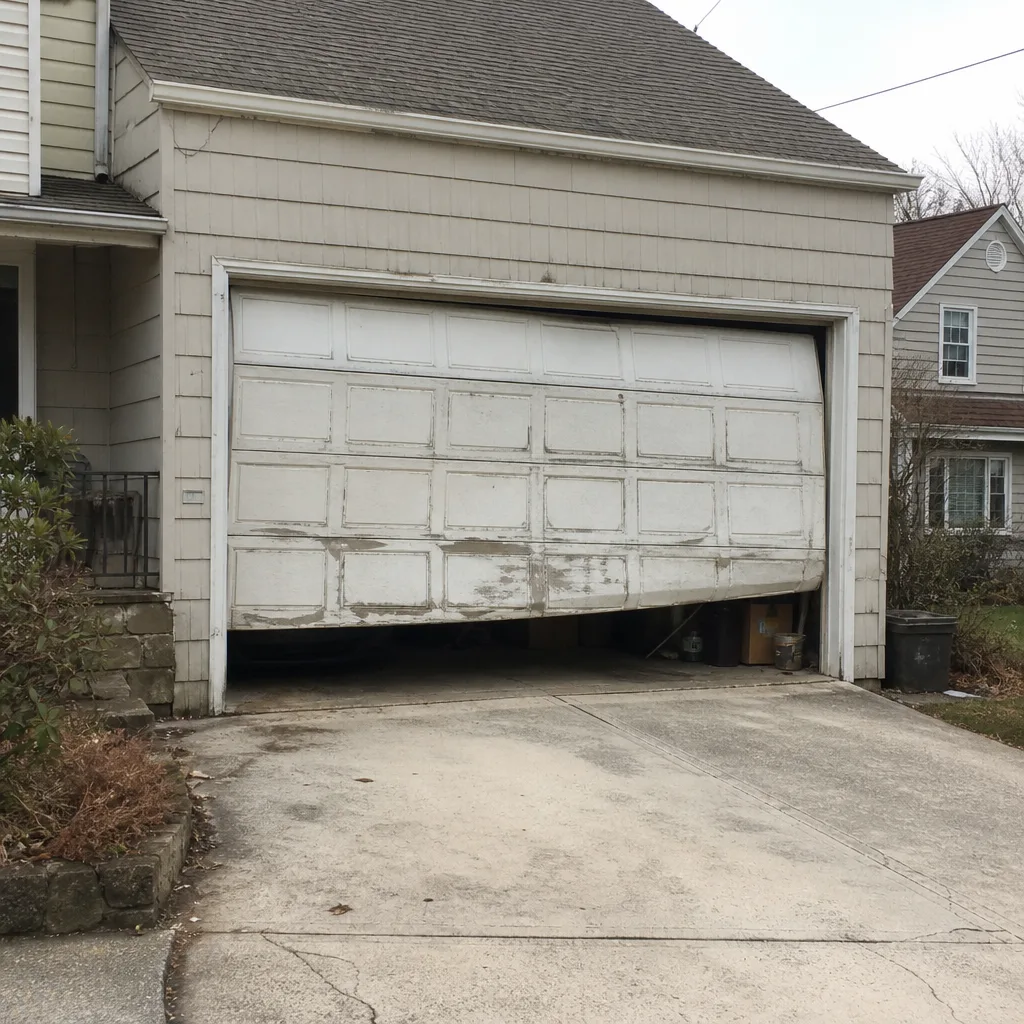 Before
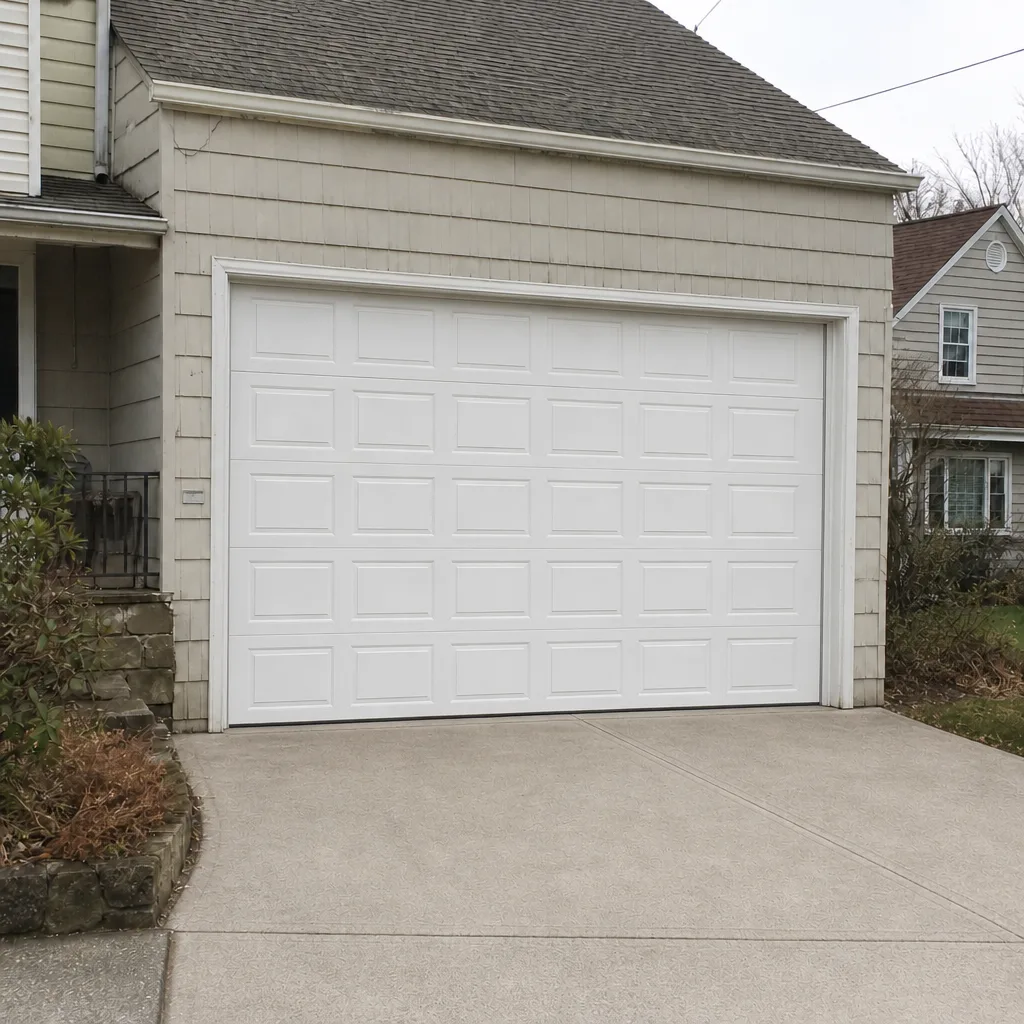 After
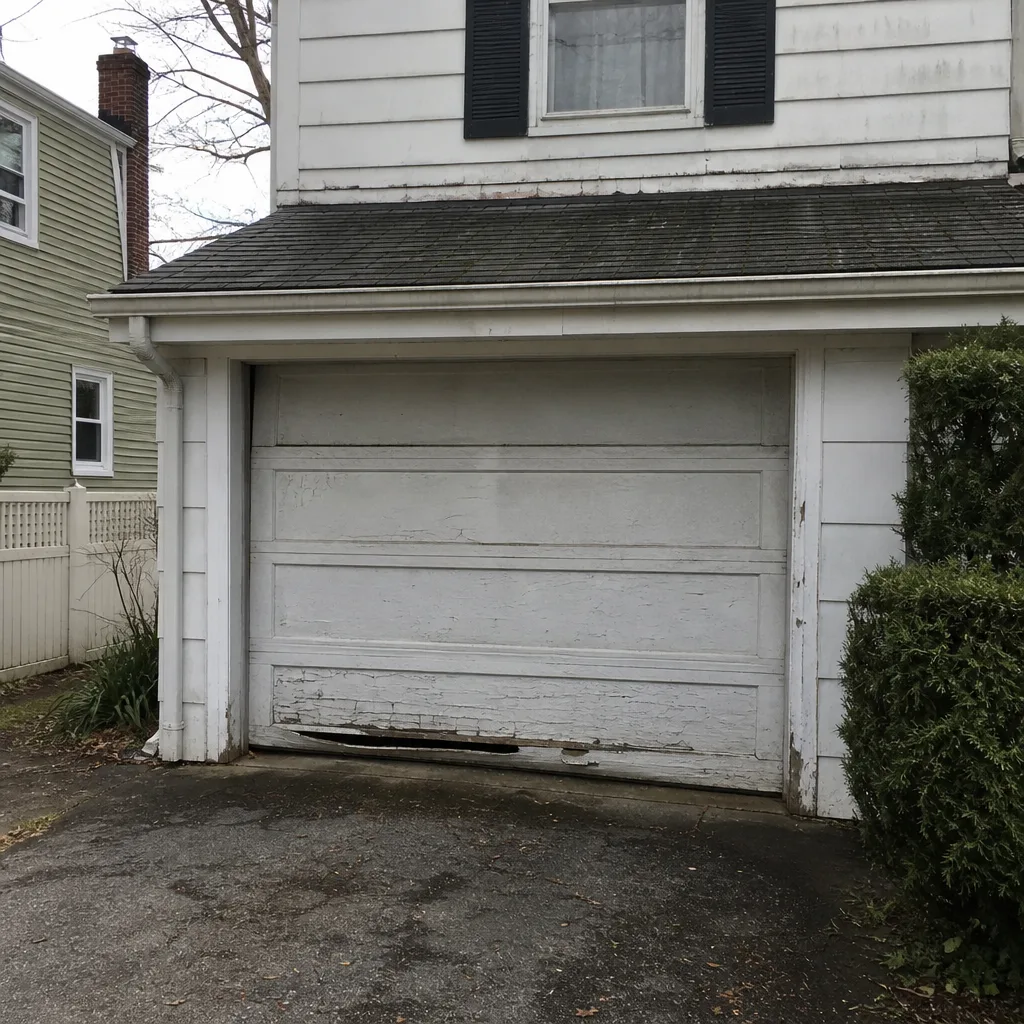 Before
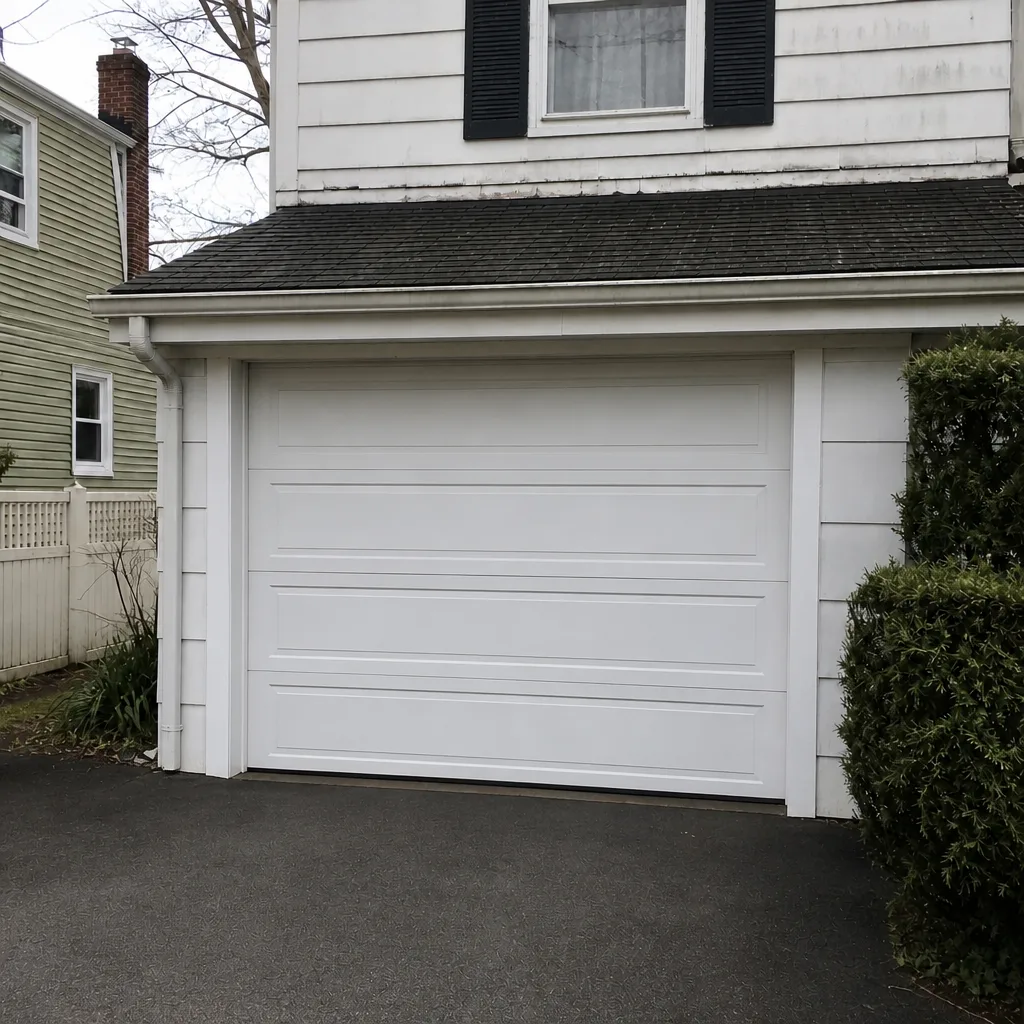 After
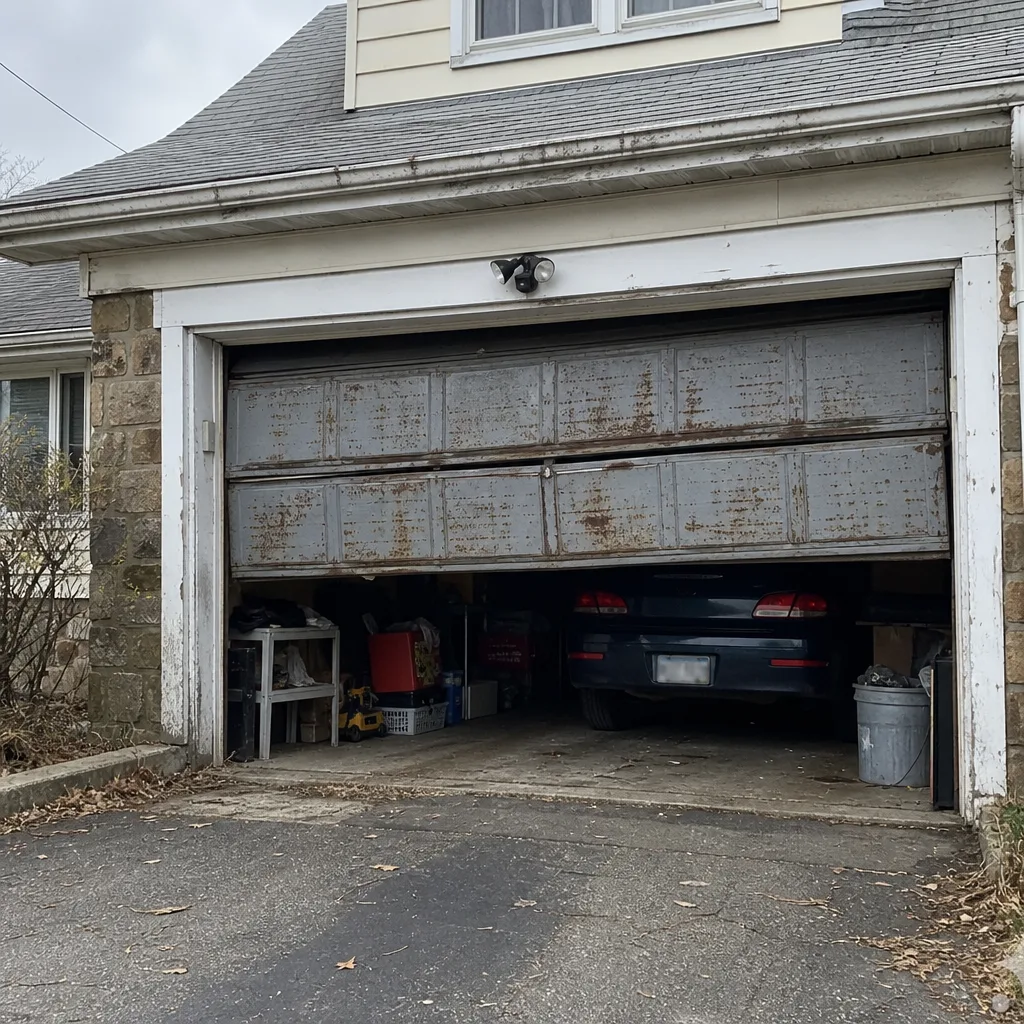 Before
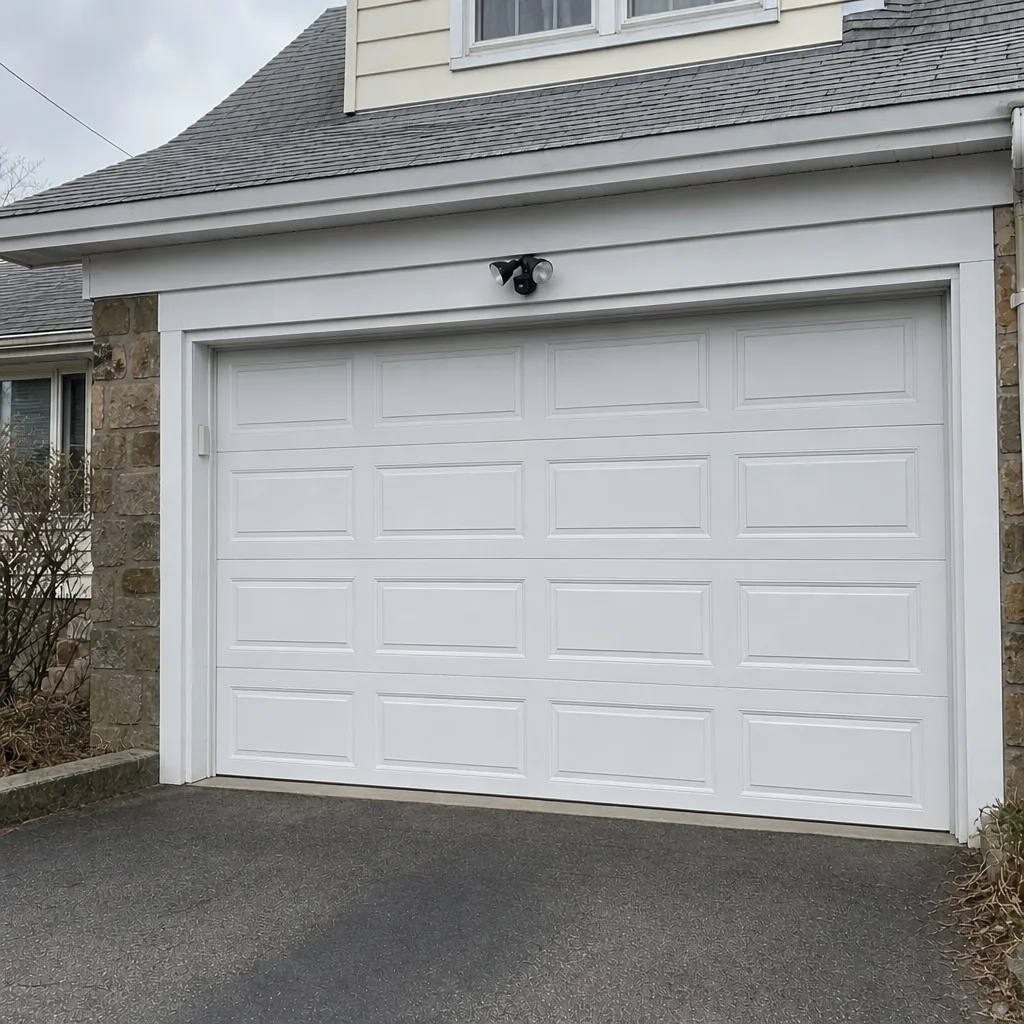 After
When to Call a Professional
Some garage door problems are safe to check yourself and some aren’t. Call a professional if you hear a loud snap, if the door is hanging unevenly, if a cable looks frayed or slack, if the door drifts when you disengage the opener, or if the safety reverse doesn’t work. These all point to spring, cable, or balance issues that carry real injury risk. Also call if an ice event has frozen the door to the floor and it won’t free after warm water and gentle persuasion, or if your opener is running but the door isn’t moving at all. New Rochelle Garage Door Repair Pros offers free estimates in New Rochelle – call (877) 417-8369. Emergency service is available when you can’t wait until business hours.
Frequently Asked Questions
Spring failure is most common in January and February, when overnight temperatures dip into the teens. Cold steel loses elasticity, so a spring that was holding up fine in September can fail on the first genuinely cold morning. If your door was opening slowly or stiffly in the fall, expect the risk to climb once winter arrives. Call (877) 417-8369 if you hear a snap – estimates are free and spring replacement is a normal, well-understood repair for a trained technician.
Keep the apron in front of the door clear of snow and standing water, and check the bottom seal for cracks that let meltwater in. If the door does freeze, use warm water along the base or a rubber mallet tapped gently, never a shovel or scraper. If the door still won’t budge, call (877) 417-8369 – a stuck door in freezing weather is worth treating as an emergency.
Fall and late spring are better times. White lithium grease on the hinges, rollers, and spring coils in October carries the door through winter, and a second pass in late spring handles the summer humidity. Avoid greasing the tracks. If your door is noisy in the cold, the rollers or hinges probably need attention more than the springs.
Summer heat expands metal panels, softens vinyl weatherstripping, and swells wood doors. Opener motors can also overheat on very hot afternoons and shut down temporarily. If your door binds or stops working in the heat and recovers in the evening, that’s usually a heat-related limit issue or a thermal shutdown, not a motor failure. Call (877) 417-8369 for an exact quote on the fix – estimates are free.
Typical seasonal inspection and lubrication is quoted per job, and the written estimate you receive is the price you pay – the quote is agreed before any work starts. If the inspection turns up springs, cables, or rollers that need replacement, the estimate for that work is given to you in writing before we begin. Call (877) 417-8369 for an exact quote – estimates are free.
We work on LiftMaster, Chamberlain, Genie, Clopay, Amarr, Wayne Dalton, Craftsman, and Raynor systems. Our technicians have up to 13 years of experience, so they recognize the specific limits, springs, and sensors on each. If you don’t know what you have, the label on the motor housing tells you, and we can usually identify the rest by sight.
The Bottom Line
New Rochelle’s climate runs a predictable cycle on your garage door: contraction in fall, freezing in winter, freeze-thaw damage in spring, and heat and humidity in summer. Match your maintenance to that cycle and you’ll spend a fraction of what reactive homeowners do. The short version: inspect springs, cables, rollers, and the bottom seal once a month, lubricate twice a year, and never adjust a torsion spring yourself. For a full seasonal inspection, New Rochelle Garage Door Repair Pros offers free estimates in New Rochelle – call (877) 417-8369 and we’ll walk the door with you.
Written by the team at New Rochelle Garage Door Repair Pros.