Last updated November 22, 2026
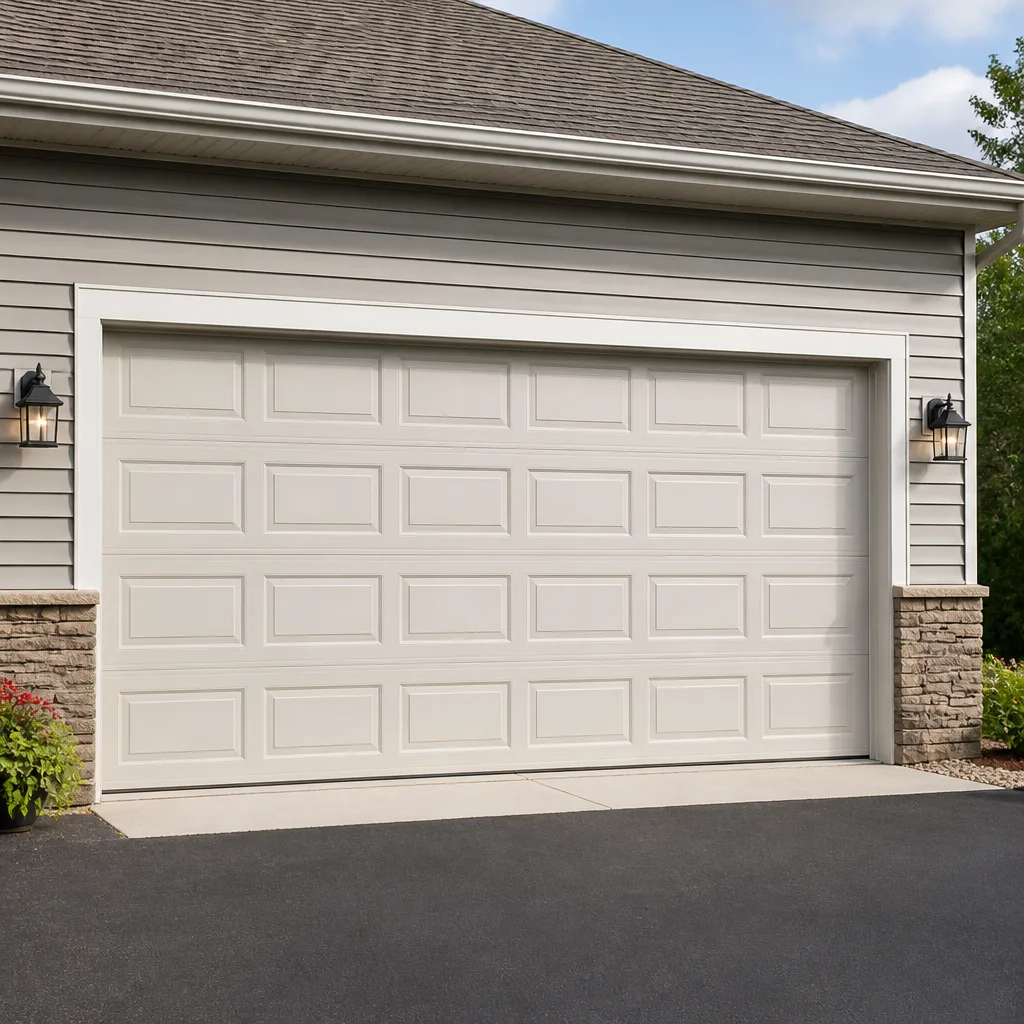 Raised-panel steel
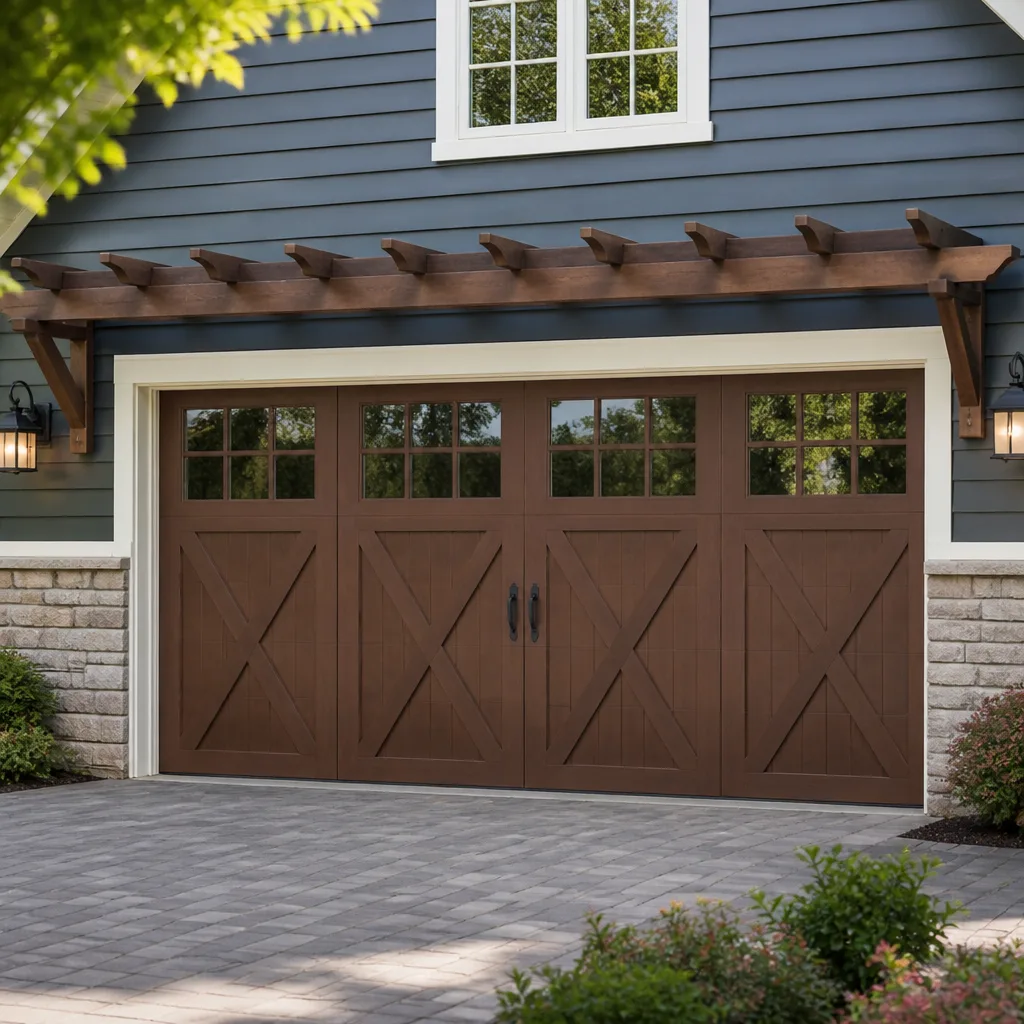 Carriage house
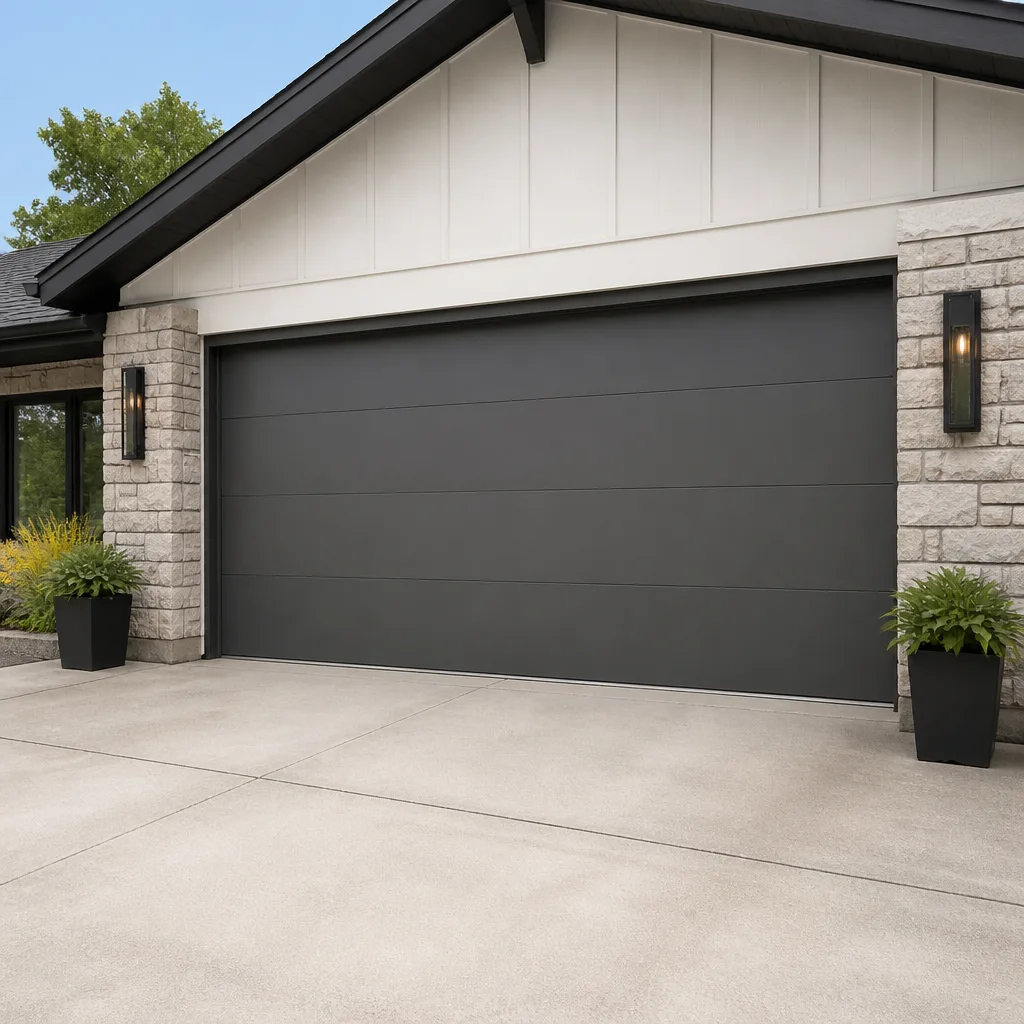 Modern flush
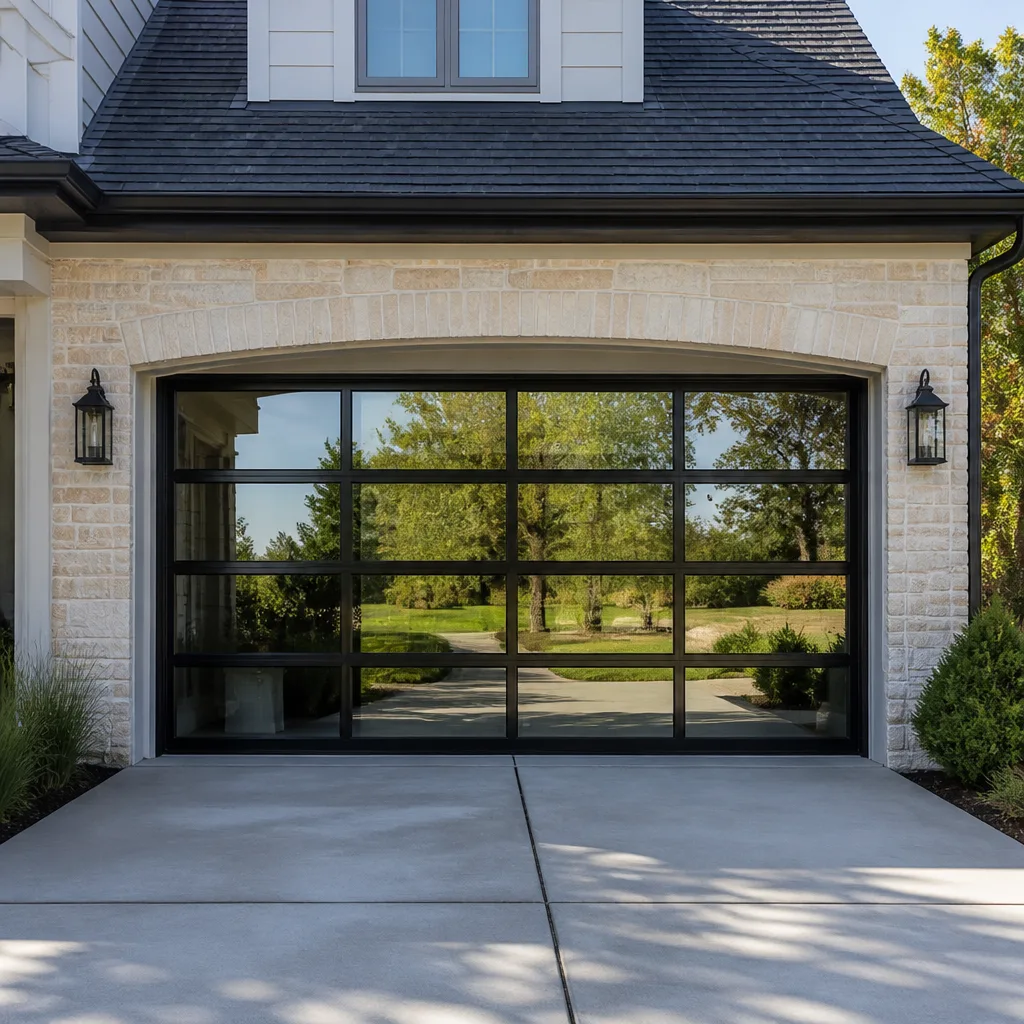 Full-view glass
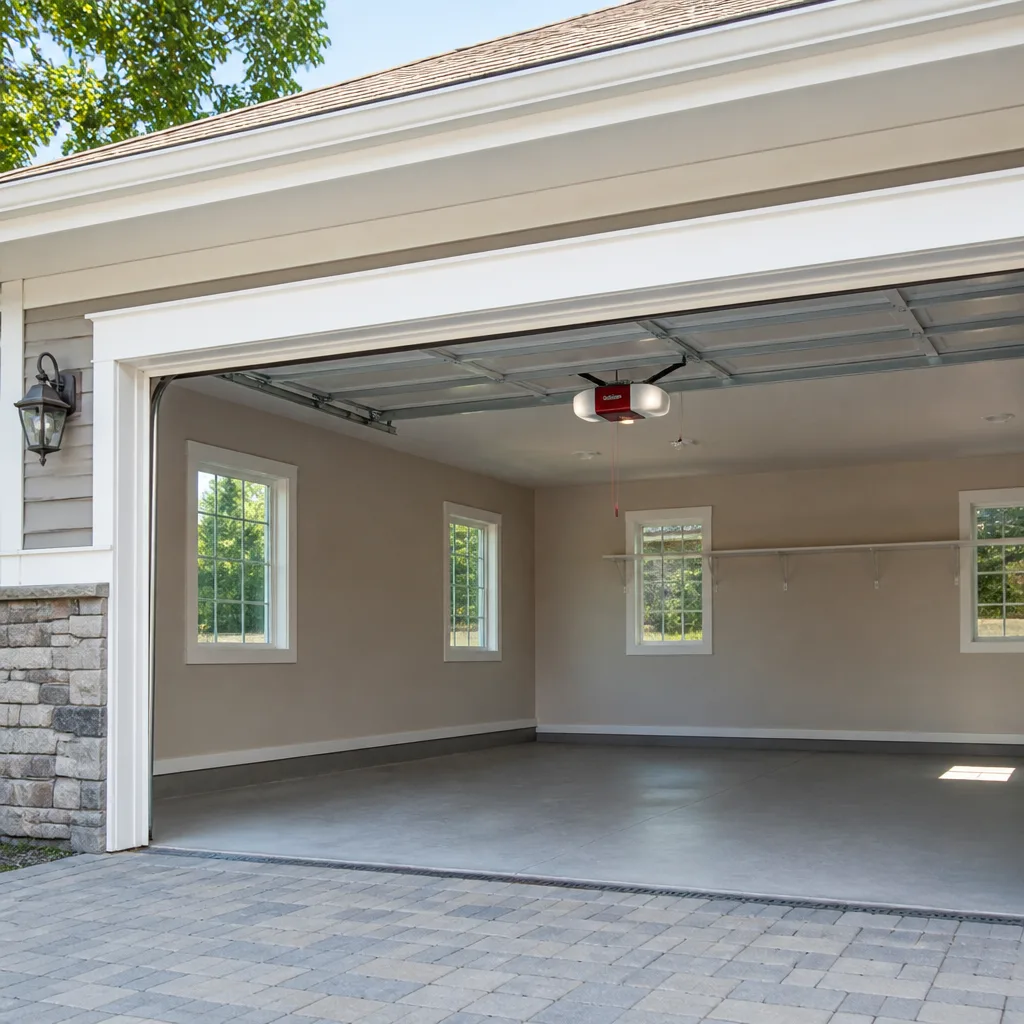 LiftMaster openers
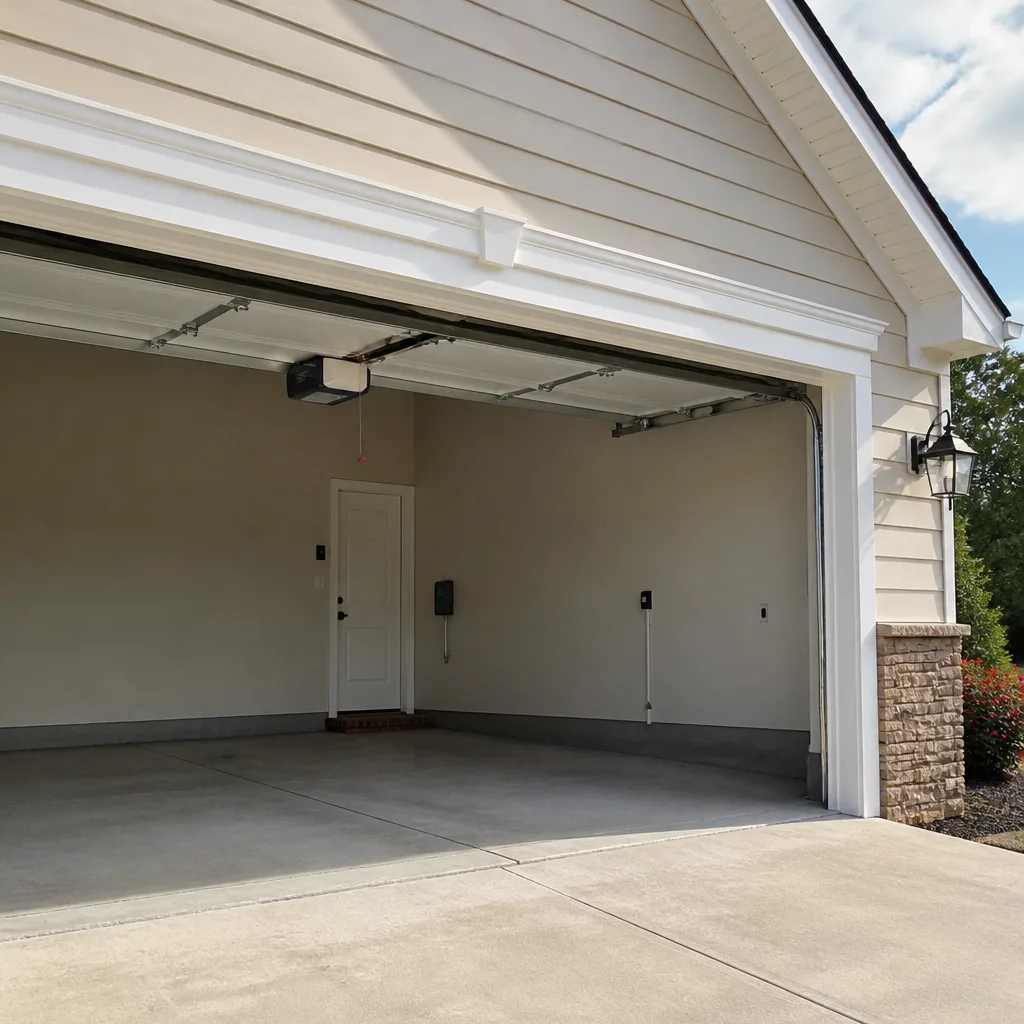 Chamberlain openers
Full 25-point door and opener safety check with every visit - springs, cables, rollers, tracks, and your LiftMaster or Chamberlain opener included
You get a price before we start. It does not change when the pro arrives.
Get your free estimateDIY vs Professional Garage Door: The New Rochelle Homeowner’s Decision Guide
Garage door springs store enough energy to break a wrist or take out an eye. That’s not a scare tactic, it’s the physics of a 150-pound door held up by tensioned steel. But lubricating rollers, replacing a bottom seal, or reprogramming a keypad? Those are legitimate DIY jobs. The line between them matters, and it’s finer and more specific than most advice suggests. In this guide we draw that line task by task so you can handle the safe work yourself with confidence and know exactly when to stop and hand it over. New Rochelle homeowners deal with heat, humidity and freeze-thaw cycles that put real stress on door hardware, and knowing which jobs fit your skill level keeps both your budget and your body intact.
Quick Answer
Safe DIY garage door work covers cleaning and lubricating moving parts, replacing the bottom weather seal, tightening exposed bolts, testing the safety reverse, and reprogramming remotes or keypads. Everything that involves springs, cables, torsion bars, tracks that have shifted, or the opener’s internal gearing belongs to a trained technician, not because it’s complicated but because the failure mode is sudden and dangerous. A local professional is the right call any time you hear a loud bang from the door, see a gap in the cables, or the door won’t stay balanced.
Styles & brands we work with
- Raised-panel steel
- Carriage house
- Modern flush
- Full-view glass
- LiftMaster openers
- Chamberlain openers
Table of Contents
- How do you decide what’s safe to fix yourself?
- Which garage door tasks are genuinely safe for a homeowner?
- Which tasks require a professional, and why?
- Where do New Rochelle homeowners source tools and parts?
- What does a DIY mistake really cost?
- How can you work alongside a technician to cut labor cost?
- How does New Rochelle weather affect your door?
- What signs tell you it’s time to call?
How do you decide what’s safe to fix yourself?
Decide based on the failure mode, not the difficulty. Some jobs are hard but forgiving. Others are easy until the moment they aren’t, and that moment comes fast. A misaligned track can be nudged back with a rubber mallet. A torsion spring under load can release its stored energy in a fraction of a second if you make one wrong move with the winding bars. The question isn’t “can I figure this out” but “if this goes wrong, what happens to me or to the door.”
We break garage door work into three tiers so the decision stops feeling like a guess:
- Tier one, fully DIY: Lubrication, cleaning, weather seals, remote programming, visual inspections, tightening bolts that are accessible at floor level. No stored energy risk, no special tools, and mistakes are cheap to reverse.
- Tier two, DIY with caution: Photo-eye alignment, track adjustments on a door that’s fully down and disconnected from the opener, replacing a roller on a door that’s been properly secured. These need the door de-energized and locked, and they still deserve a second look before you run the door.
- Tier three, professional only: Springs, cables, torsion bars, bottom brackets, opener gear replacement, panel replacement, and anything that requires lifting or balancing the door. These aren’t about your intelligence. They’re about the physics of stored energy and the weight of the door above you.
A good rule: if the job requires you to be under or above the door while it holds tension, stop. That covers springs and cables completely, and it covers most track work on a door that isn’t fully resting on the floor. The rest of this guide unpacks each tier so you know where you stand for your particular New Rochelle home.
Which garage door tasks are genuinely safe for a homeowner?
These jobs are safe for a careful homeowner with basic tools, and they’re worth doing because they extend the life of the door and prevent the wear that leads to bigger failures. None of them involve releasing or adjusting stored energy.
- Lubricate rollers, hinges and the torsion tube. Use a silicone or lithium-based lubricant, not WD-40, on the moving parts of the door itself. White lithium is fine for hinges and rollers; a light spray of silicone keeps tracks sliding without attracting grit.
- Replace the bottom weather seal. A cracked or flattened seal lets water, cold air and insects under the door. The seal slides out of its aluminum retainer once the door is up and secured. Measure the width first, because seals come in standard sizes and you want the right fit for a New Rochelle winter.
- Clean and align the photo-eye sensors. Wipe the lenses, check that both eyes point at each other across the opening, and confirm the indicator lights are steady. A misaligned eye is the single most common reason a door won’t close.
- Test the safety reverse. Place a piece of wood or a roll of paper towels in the door’s path and close it. The door should reverse on contact. This is a five-minute check that catches a dangerous failure before it becomes one.
- Reprogram remotes and keypads. Whether you have a Chamberlain, a Genie or another system, the manual walks you through it in a few minutes, and most keypads let you change the code without a ladder.
- Tighten accessible nuts and bolts. Loose hinge bolts and track brackets are common sources of rattle. Snug them by hand with a wrench, but don’t over-torque, because stripped brackets are a bigger repair than a rattle.
None of these jobs involve a ladder, a spring, or a cable. If your task starts with “take the weight off the door,” it has moved out of this tier.
Which tasks require a professional, and why?
The professional-only category is short, and it’s where garage door spring repair lives. These jobs are dangerous not because they’re complex but because the failure mode is sudden, non-recoverable and capable of serious injury. When a torsion spring fails, it releases its energy instantly. There is no second chance to grab the door, no cushion of time to step back. That’s the whole reason this work sits behind training and proper tools.
- Torsion and extension spring replacement. Springs hold the weight of the door. Winding them requires specific winding bars and a precise feel for the correct tension. A spring that’s over-wound, under-wound, or worse, releases while you’re on the ladder, can break a bone or send the winding bar across the garage.
- Cable replacement and adjustment. Cables are under extreme tension, and a snapped cable whips with enough force to cut through skin. Cables often fail as a pair with the spring, and the two are usually replaced together.
- Bottom brackets. These hold the cable and are under load. Adjusting them by hand is how people lose fingers. This is a job for a professional with the door fully secured.
- Opener gear and motor work. The internal gearing and the drive assembly on a LiftMaster or Genie opener aren’t a DIY repair. A misdiagnosed opener often turns out to be a door problem, and a competent technician can tell the difference before you replace a motor that didn’t need replacing.
- Panel replacement and track realignment after an impact. A bent panel affects the whole door’s alignment. A professional can source the right panel for a Clopay or Amarr door and get the tracks back to square.
We’ve seen what happens when a homeowner attempts a spring replacement after watching a video. The video doesn’t show the part where the door is at half tension and the spring lets go. If you take one thing from this guide, take that.
Where do New Rochelle homeowners source tools and parts?
Basic supplies are easy to find locally, and the specialized parts are not. That gap is one reason DIY gets complicated in this trade. You can buy lubricant, weather seal, remote batteries and photo-eye sensors at any hardware store in New Rochelle. You can also find replacement rollers and standard hinges. What you won’t easily find is a matched pair of torsion springs sized for your specific door, or the correct bottom bracket for an older Amarr model.
Here’s the honest breakdown of what’s available where:
- Local hardware stores: Lubricants, weather seals, remote batteries, photo-eye sensors, standard rollers, bolts, brackets. This covers all of the tier-one DIY tasks in this guide.
- Big-box stores: Same list, plus some opener accessories and replacement remotes for common brands. Availability for specific models varies by store.
- Supply house accounts: Matched torsion springs, replacement cables, bottom brackets, opener gears, and brand-specific parts for Clopay, Amarr, LiftMaster and similar systems.
The tricky part is matching a replacement part to your actual door. A spring that’s off by a small measurement in wire gauge or length will either be weak and cause the door to sag, or stiff and stress the opener. A technician arrives knowing the door’s likely configuration and carries the right parts for the brands the door was built with. That’s why most single-visit repairs go through a professional who already has the correct part on the call.
If you’re confirming a part against your door, snap a photo of the manufacturer’s label on the inside of the door panel and the opener’s label. That label, not a guess, tells a technician what you have. For brand-specific work, our garage door opener repair team works on Chamberlain, Genie, LiftMaster and other major systems, so the diagnosis doesn’t start from scratch.
What does a DIY mistake really cost?
A DIY mistake with the door’s tension system costs more than the repair you were trying to avoid, often several times more. A misadjusted spring doesn’t just fail to lift the door. It over-stresses the opener’s gear assembly, which means a spring repair and an opener repair in the same visit. A cable adjusted wrong can pull the door out of alignment and bend a panel. A dropped door can bend tracks and break hinges. The repair bill for a damaged opener and panel can easily exceed what the original spring replacement would have cost.
The cost of a mistake falls into three categories, and it’s worth naming them plainly:
- Parts damage: A mis-tensioned spring strains the opener and can damage the drive gear. A dropped door bends a panel and tracks.
- Ripple repairs: One failure causes the next. A sprung door often takes a panel and a hinge with it, so the professional job grows from one part to several.
- Injury and liability: Springs and cables are the parts of a garage door most likely to cause a real injury. A hospital visit is the cost no DIY guide can put a number on.
We don’t quote a specific mistake dollar figure because it varies with the door and the damage. What we can tell you is that when a homeowner calls us after a failed DIY attempt, the job usually involves more than the original problem. The garage door repair work is still doable, but it starts with undoing damage rather than fixing the first fault. That’s the hidden cost of a DIY mistake: the second repair.
How can you work alongside a technician to cut labor cost?
You can lower the labor cost of a professional visit by handling the tier-one tasks yourself before the technician arrives, and by being clear about what you’ve already checked. Labor cost on a garage door visit is mostly diagnostic time and setup. If you’ve already done the lubrication, cleaned the photo-eyes and confirmed the door is balanced, the technician can go straight to the actual fault.
- Do the diagnostics yourself first. Test the safety reverse, check both photo-eyes, and note whether the door moves smoothly by hand when disconnected or feels heavy or grinding. A clear description of the symptom saves diagnostic time.
- Lubricate and clean before the visit. A door that’s already lubricated isn’t part of the diagnostic labor. Clean tracks, working rollers and a fresh seal mean the technician can focus on the fault.
- Have the labels ready. The manufacturer’s label on the door and the opener label tell the technician which system you have. Having them photographed and ready, or pointing out the model, gets to the right part faster.
- Clear the approach and the work area. A clear garage floor, accessible door path and a power outlet near the opener are all setup tasks that belong to you, not the technician’s hourly rate.
- Group minor repairs into one visit. Instead of calling separately for a seal and then a roller, list everything and let the technician handle them together.
What you should not do is lift or adjust the door’s tension system to “help” the process. That’s the one part of the job that stays with the professional for reasons of safety. The labor you save belongs on the safe side of the line. Our technicians have up to 13 years of experience, so they’ve seen which homeowner prep actually makes a visit run faster.
How does New Rochelle weather affect your door?
New Rochelle’s mix of humid summers and cold winters works on garage door hardware in predictable ways. In summer, humidity swells wooden door panels and can cause them to bind against the tracks or feel heavier than they should. The same humidity can corrode the steel of the tracks and the torsion tube if it’s not lubricated. In winter, freeze-thaw cycles harden rubber seals, contract the metal slightly and make the door run noisier. Ice at the threshold can also put stress on the bottom seal and the lift mechanism.
The homeowners who avoid the worst failures are the ones who treat the seasons as a schedule. Lubricate the moving parts going into summer and again before winter. Check the bottom seal in early fall before the cold hardens it. Test the safety reverse in spring and fall, because it’s the check that fails first when a component is on its way out. Wooden doors in New Rochelle need a coat of paint or stain every few years to stay ahead of the moisture. Steel doors need their finish inspected where the panel edges meet, since that’s where rust starts.
None of this is a reason to fear the door. It’s a reason to keep the safe tasks on a calendar, so the unsafe failures are less likely to occur. The climate also means that if your door sounds different in July than it did in January, that’s normal. If it sounds different in a way that suggests metal on metal, call.
What signs tell you it’s time to call?
Call a professional when the symptom points to tension, alignment or the opener’s internal parts, and keep the safe tasks for yourself. The line is useful here: if the problem is with the door’s movement or its balance, it’s professional territory. If it’s with the door’s surface or accessories, it’s yours.
- A loud bang from the garage and the door won’t lift. That’s the sound of a spring letting go, and it’s the clearest signal there is.
- The door feels heavy when you lift it by hand. A balanced door should move with one hand. If it doesn’t, the spring tension is wrong and that’s a professional job.
- The door is crooked or one side hangs lower. That’s a cable or spring issue, and running the opener on a crooked door causes more damage.
- Grinding or a sharp pop from the opener. The gear inside needs inspecting. A technician can tell whether it’s the opener or the door causing the noise.
- The door reverses for no reason, or the safety reverse fails to trigger. That’s a safety device failure and deserves same-day attention.
- A visible gap or fraying in a cable. Stop using the door and call.
If you’re not sure which category your symptoms fall into, describe them to a specialist. A quick conversation costs nothing and tells you whether the fix is your five-minute job or a professional visit. For a full picture of what we handle, the New Rochelle Garage Door Repair Pros team covers repair, opener service, spring work and installation. If you want to compare a full replacement, see garage door installation for how that process is measured and scheduled.
Common Mistakes to Avoid
- Treating a torsion spring like a compression spring. A coiled spring under load is not something to unbolt with a wrench. The stored energy is the hazard, not the mechanism, and a misjudged attempt can release it in an instant.
- Using WD-40 as a garage door lubricant. It thins the existing lubricant and attracts dirt to the tracks and rollers. Use a silicone or lithium lubricant and leave the tracks themselves clean and dry.
- Ignoring the safety reverse test. It’s a two-minute check and the one built-in safety feature that protects children and pets. In New Rochelle, where drives often run close to the door, it matters.
- Running the opener on a crooked or heavy door. That turns a spring or cable repair into an opener repair, and the combined bill is the common hidden cost of a DIY mistake.
- Buying a spring or cable without matching it to the door. A part that’s off in wire gauge or length will sag or overload the opener. The label on the door tells you what you have.
- Attempting an opener gear replacement as a first repair. The grinding often comes from the door, not the opener, and replacing the motor first can leave the real fault in place.
- Skipping seasonal lubrication because the door “still works.” In New Rochelle’s humidity and freeze-thaw climate, the door that still works is the one most likely to fail from neglect at the worst time.
See the difference
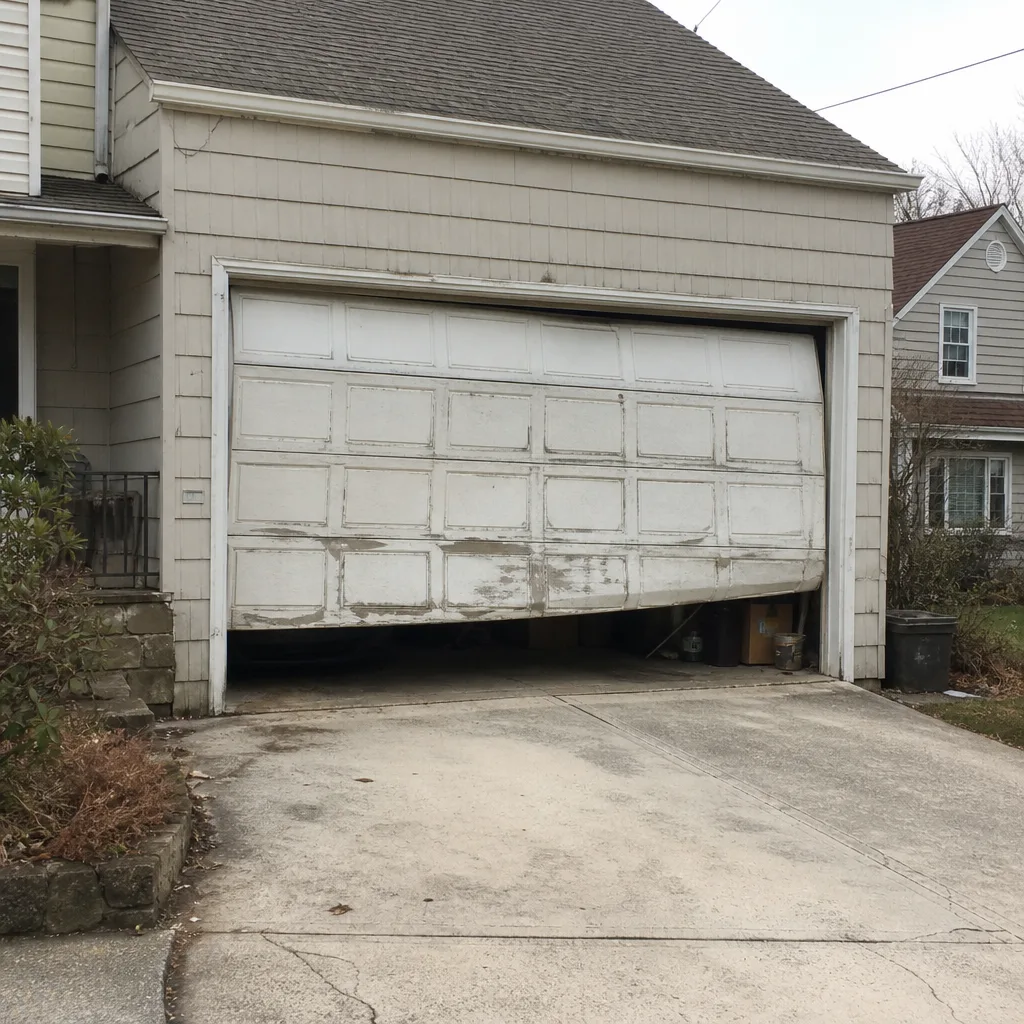 Before
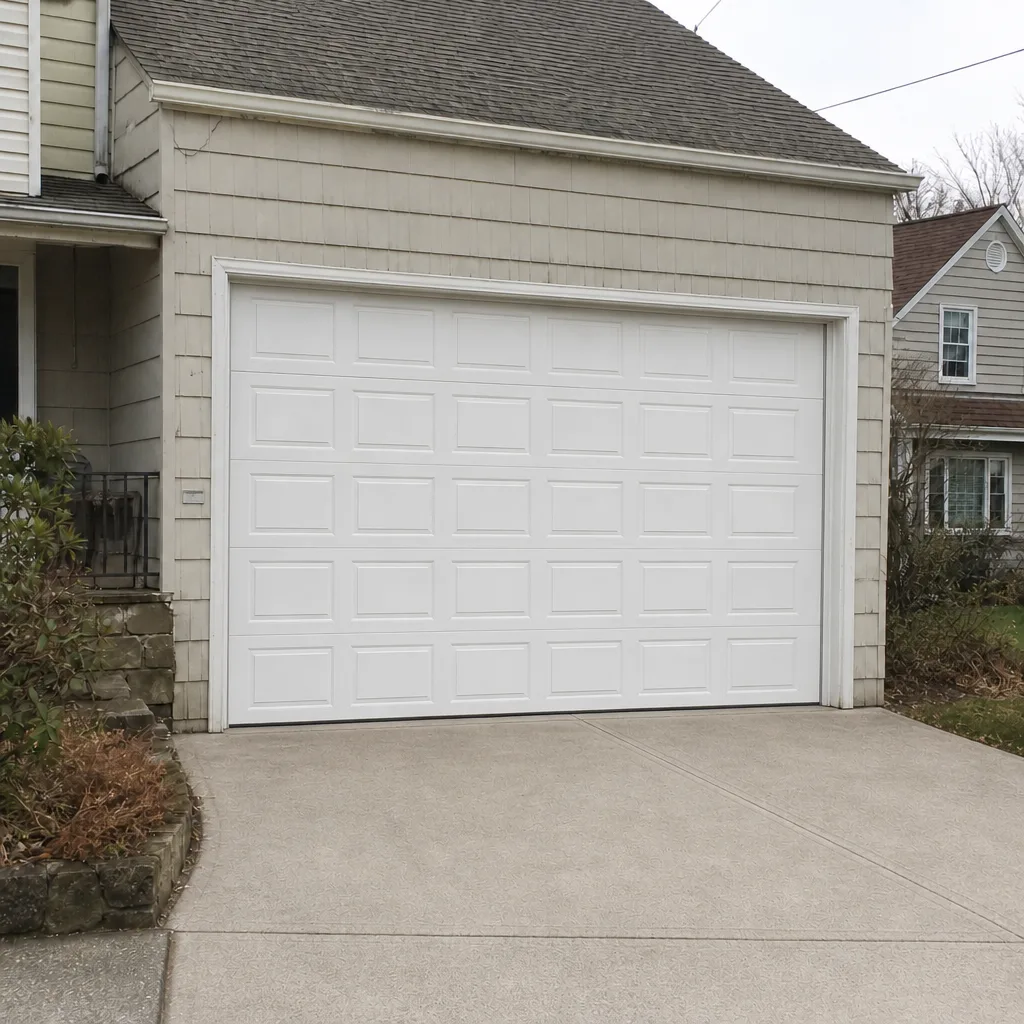 After
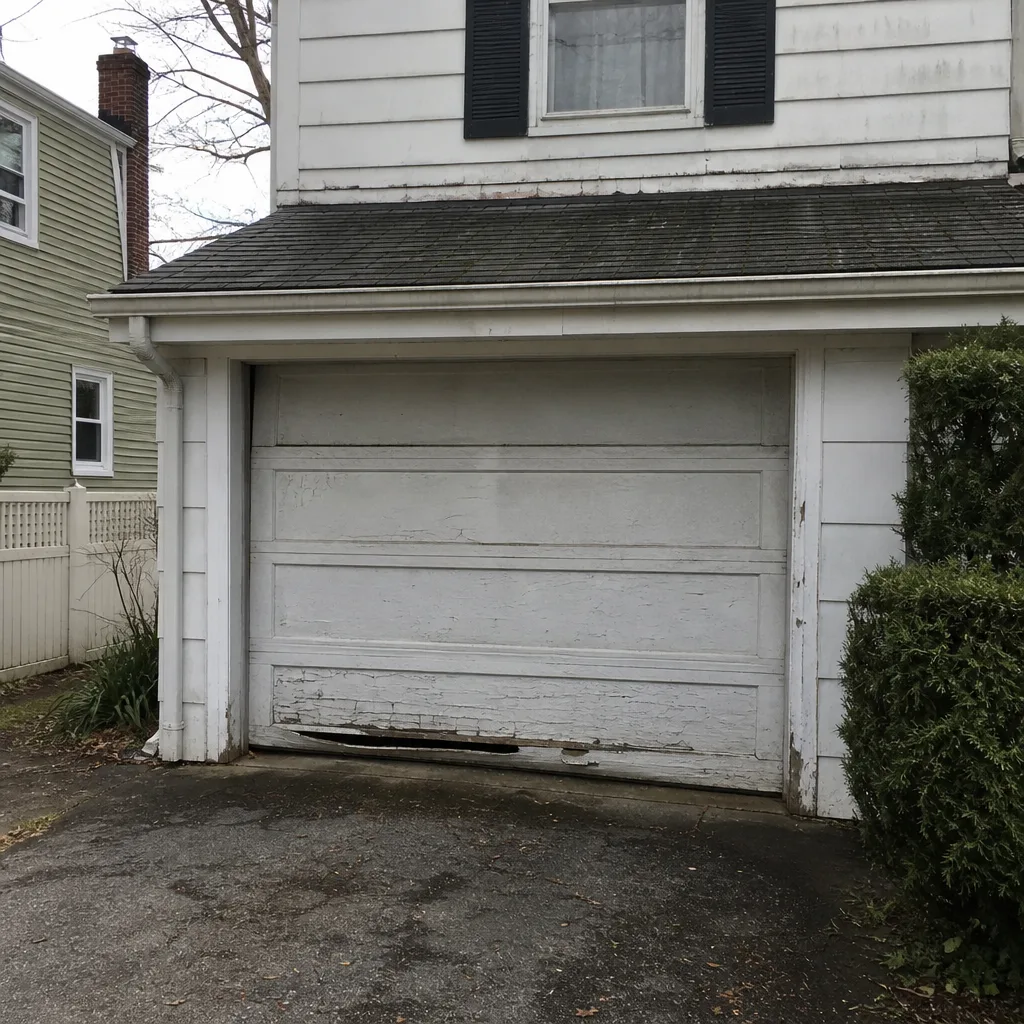 Before
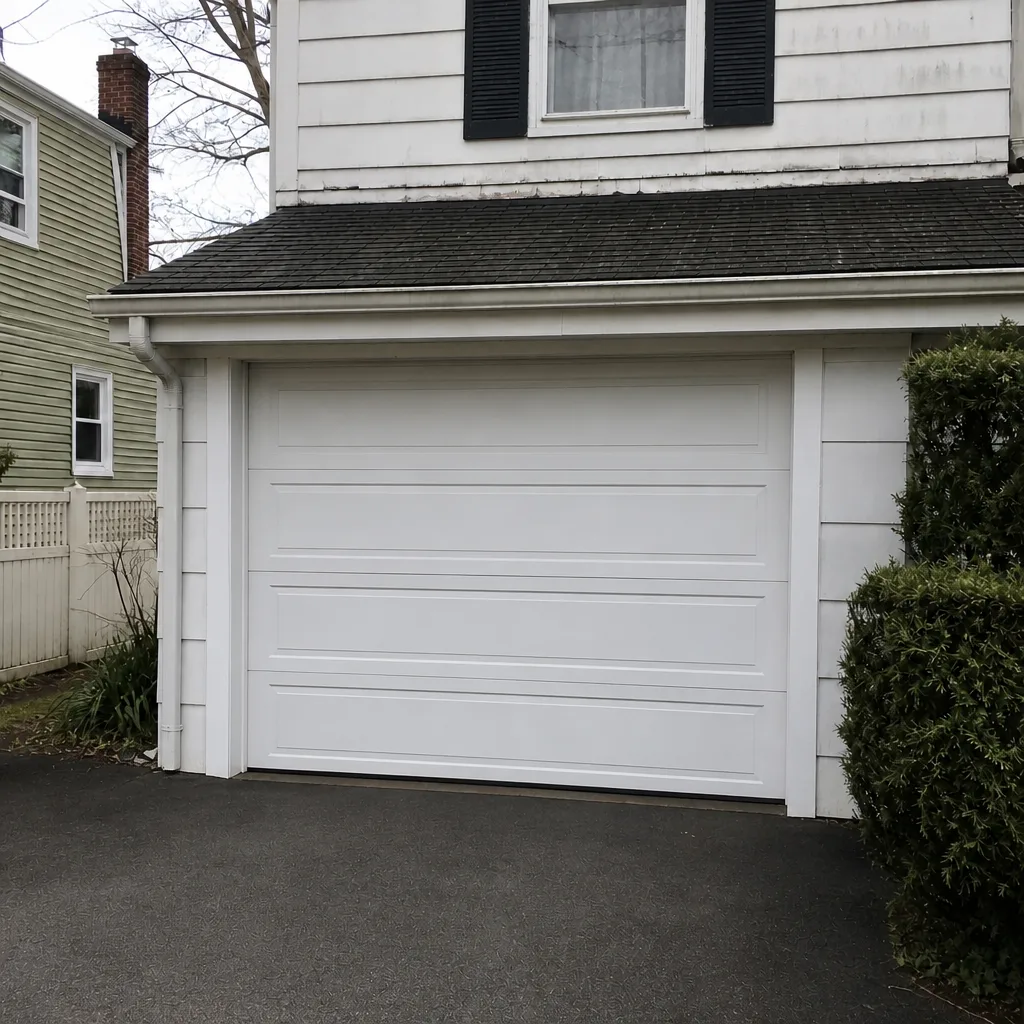 After
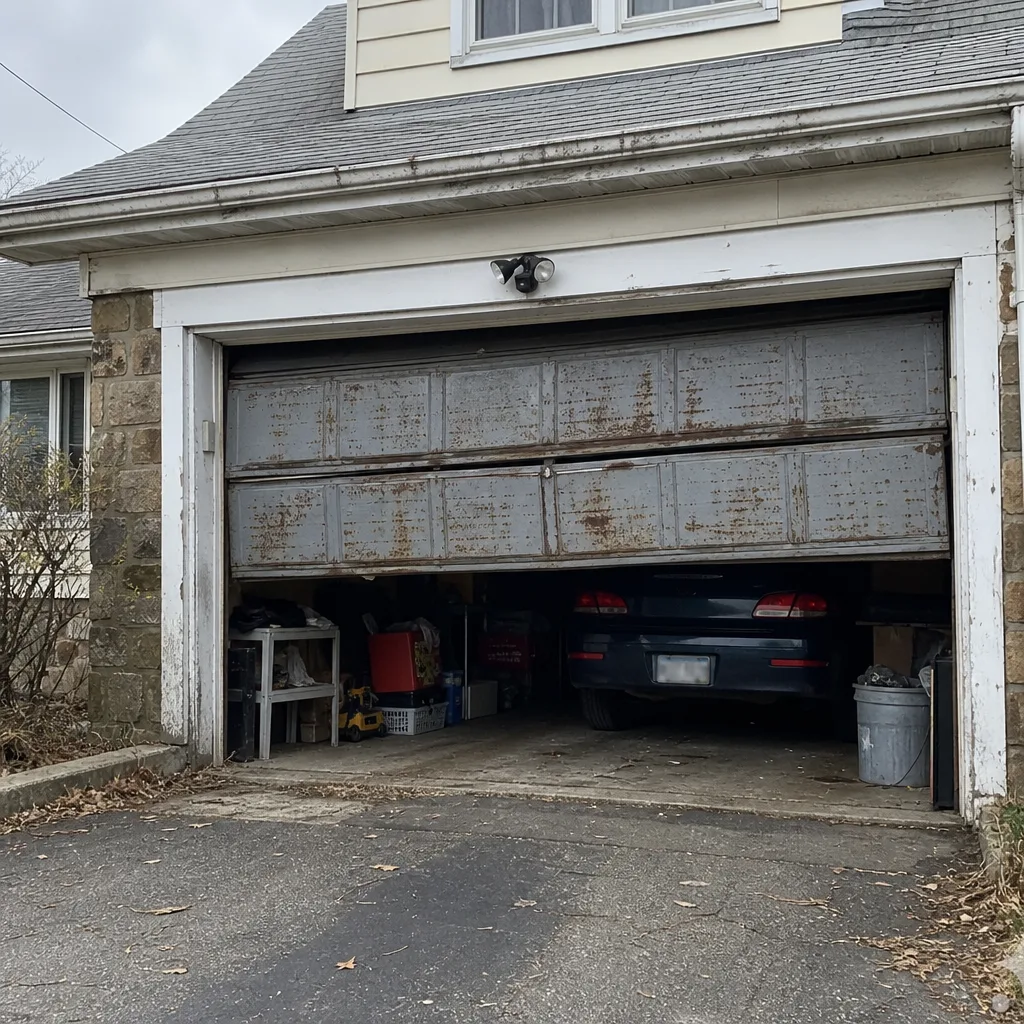 Before
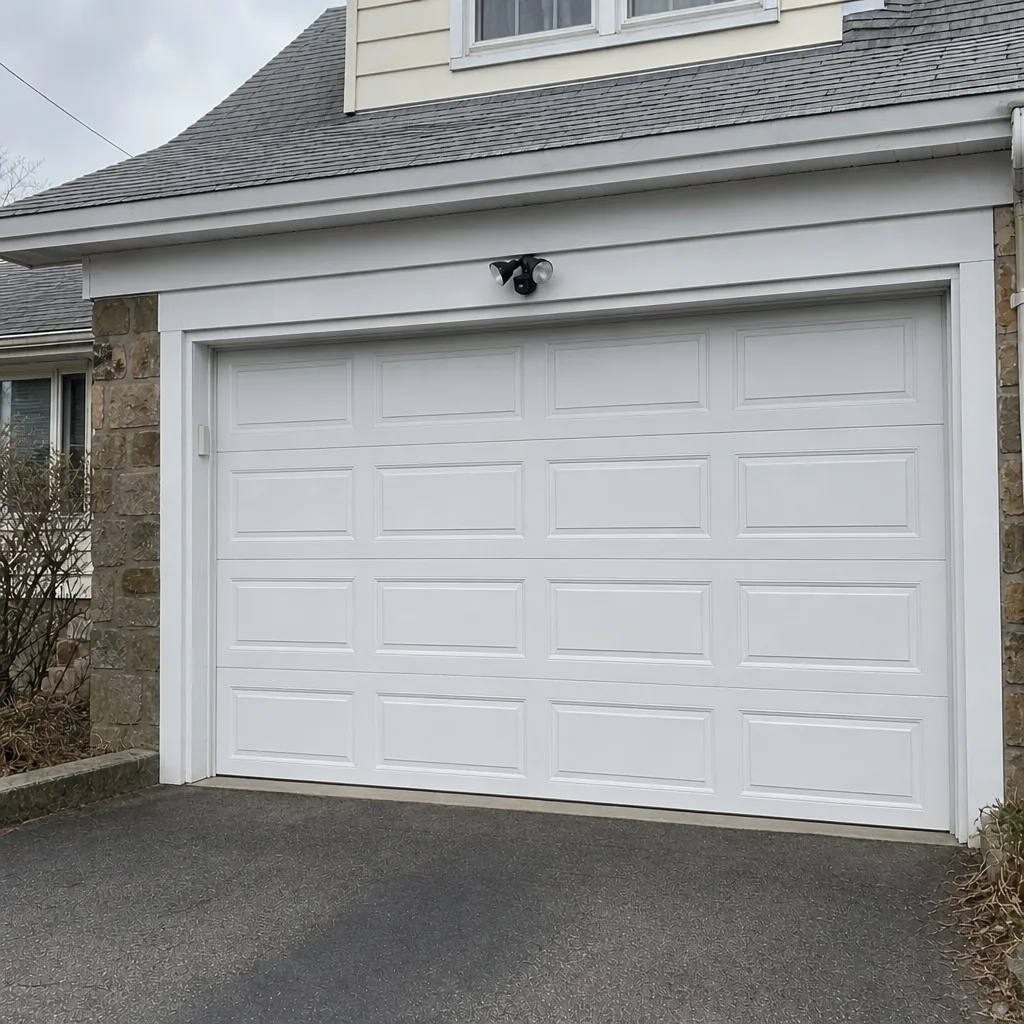 After
When to Call a Professional
Call a professional any time the issue involves springs, cables, bottom brackets, torsion bars or the opener’s internal parts. That includes a door that won’t lift, a door that bangs or pops, a door that hangs crooked, a door that reverses for no reason, or any sign of a fraying cable. Spring failure is a safety issue, not just an inconvenience, and the failure mode is sudden. If the door is stuck open or won’t move and you can’t wait for a scheduled visit, our emergency service is there for exactly those situations. New Rochelle Garage Door Repair Pros offers free estimates in New Rochelle – call (877) 417-8369. The price is quoted and agreed before any work starts, so you know the number before the job begins.
Frequently Asked Questions
You should not replace a garage door spring yourself, even if you’ve watched a tutorial. A torsion spring holds the weight of a 150-pound door under tension, and the tools and technique required are for trained technicians. A single wrong move can release that energy into your hands or face. Spring replacement is exactly where the DIY line is drawn, and it’s worth respecting.
Safe DIY repairs in New Rochelle are the surface and accessory jobs: lubricating rollers and hinges, replacing the bottom weather seal, cleaning and aligning the photo-eyes, testing the safety reverse, reprogramming remotes and keypads, and tightening accessible bolts. None of these involve stored energy. If the job requires you to be underneath the door or to adjust its tension, it’s professional work.
Typical spring replacement in the New Rochelle area runs in the range of a few hundred dollars per spring, and doors usually use a matched pair that’s replaced together, so a pair costs about twice that. The written estimate sets the final price, and there’s no charge for the estimate. Call (877) 417-8369 for an exact quote – estimates are free.
The price doesn’t change after the technician arrives because the quote is agreed before any work starts. If a closer look reveals a different fault than described, the technician explains it and quotes the revised job before touching anything. You approve the number before work begins.
A blinking opener light usually means the photo-eye sensors are misaligned or obstructed, and that is a genuine DIY check. Wipe the lenses, check that nothing is in the path, and confirm both eyes point at each other. If the door still won’t close after that, the fault is elsewhere and it’s time to call.
Yes. The local pro who comes to your New Rochelle home is licensed and insured as required by New York State, and the company connects you with that vetted professional. You can ask to see credentials at the visit. Call (877) 417-8369 to book a free estimate.
The Bottom Line
The DIY versus professional question for garage doors comes down to one thing: stored energy. Lubrication, weather seals, photo-eyes and programming are all real DIY jobs, and doing them keeps your door healthier and your professional visits cheaper. Springs, cables, bottom brackets and opener internals belong to a trained technician, not because the repair is complicated but because the failure mode is dangerous and non-recoverable. In New Rochelle’s humidity and freeze-thaw winters, seasonal upkeep on the safe tasks prevents many of the failures that lead to emergency calls. Do the safe work on a schedule, call for the rest, and know where the line sits.
Written by the team at New Rochelle Garage Door Repair Pros.